 1–2 km away
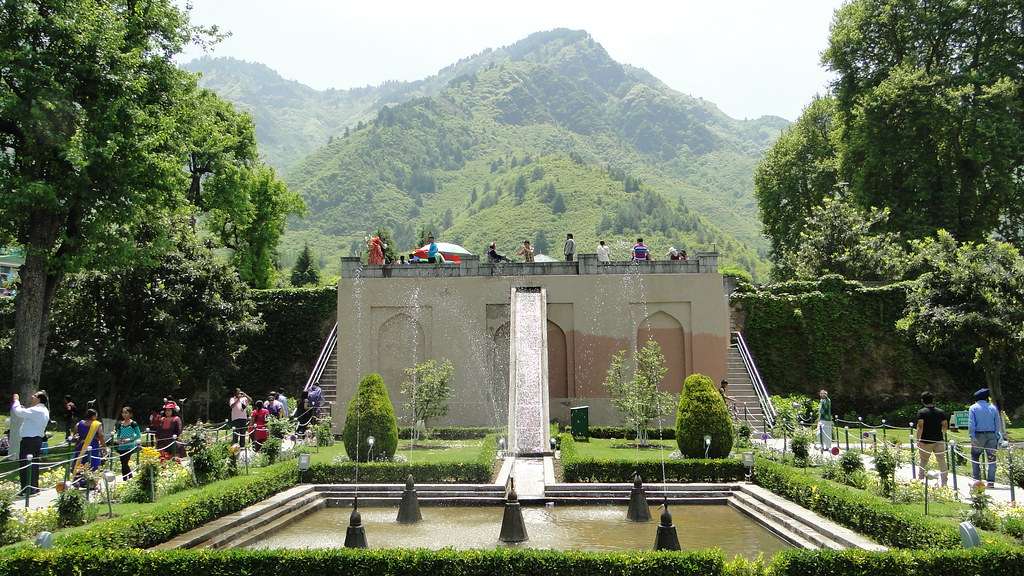
Chashme Shahi
Located just 5 minutes from Pari Mahal, known for its refreshing natural mineral spring
Travel My Kashmir Travel Agency | Kashmir Cab Service & Tour Packages

Pari Mahal, also known as the “Palace of Fairies,” is a seven-terraced historic Mughal garden located on the Zabarwan mountain range above Srinagar, overlooking the city and the southwestern side of Dal Lake. Built in the mid-17th century by Mughal Prince Dara Shikoh, the site served as a residence and library and was later associated with the study of astronomy and astrology. Today Pari Mahal is known for its historic Islamic architecture, terraced gardens and panoramic views of Srinagar and Dal Lake. It is particularly popular in the late afternoon and around sunset when the elevated viewpoint offers striking views across the city and lake.
Explore other Places to visit in Srinagar
Visitors can book the entry ticket for Pari Mahal either online or on the spot at the garden entrance. For online booking, you can visit the official website of the J&K Tourism Department, where tickets for several Mughal gardens and other parks are available.
Here is the online ticket booking link: Book Pari Mahal garden ticket online
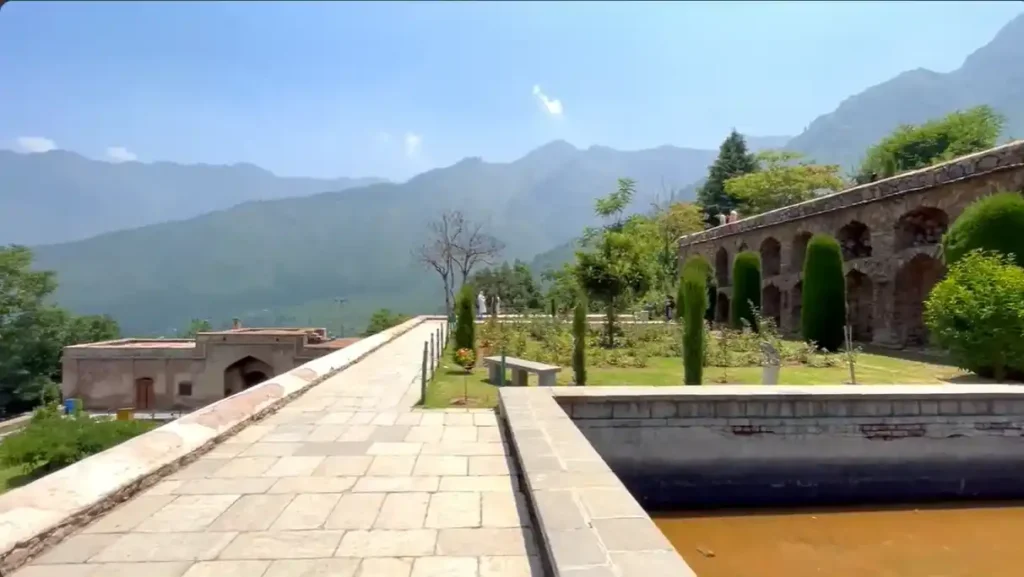
Pari Mahal is a historic seven terraced garden and architectural complex on the Zabarwan mountain range above Srinagar. It sits just above Chashme Shahi and overlooks Srinagar and the southwestern side of Dal Lake.
Unlike Nishat Bagh and Shalimar Bagh which are larger Mughal gardens with prominent central water channels, fountains and formal garden layouts, Pari Mahal is built directly into the hillside. Its distinctive features include stone terraces, arched retaining walls, old chambers, garden spaces and water tanks with the elevated setting providing sweeping views across Srinagar and Dal Lake.
Today, Pari Mahal is as much a viewpoint and heritage site as a historic garden. Visitors come to explore its Mughal-era architecture and terraces but the panoramic views over Srinagar and Dal Lake particularly around sunset are one of its biggest attractions.
The name Pari Mahal translates as “Palace of Fairies” or “Abode of Fairies.” The exact origin of the name is surrounded by local stories and legends rather than a firmly established historical explanation. Some popular accounts connect the name with the site’s magical appearance and folklore surrounding the palace. These stories add to its atmosphere, but they should be treated as local legend rather than documented history.
When it was built: Most sources place construction in the mid-1600s with 1650 commonly cited as the approximate year under Mughal Emperor Shah Jahan’s reign.
Dara Shikoh’s connection: The seven terraced complex is traditionally associated with Dara Shikoh, Shah Jahan’s eldest son who had a strong interest in Sufism, philosophy, literature and the study of different religious traditions.
Original purpose: The site is generally described as having been built for Dara Shikoh’s spiritual teacher, the Sufi saint Mullah Shah Badakhshi (also called Akhund Mullah Shah) and used as a residence and a center for Sufi teaching and learning rather than as a royal palace or pleasure garden in the usual Mughal sense.
Connection with astronomy and astrology: After its original use as a Sufi learning center, several historical accounts describe the site later being used as an observatory where astronomy and astrology were taught. However, the surviving sources do not consistently document exactly when this use began or how long it continued, so it is better to treat this part of Pari Mahal’s history with some caution.
Disputed or uncertain claims: A commonly repeated claim is that Pari Mahal was built over the remains of an older Buddhist monastery. This is worth treating as a popular tradition rather than a firmly established fact — it appears frequently in tourist literature but is not something we could verify against a primary archaeological source, so treat it as an interesting local belief rather than confirmed history.
Later history: After Dara Shikoh was defeated and executed during the Mughal war of succession, Pari Mahal gradually lost its original importance as a centre associated with his intellectual and spiritual pursuits. Over the centuries, the complex experienced periods of decline, while its terraces and historic structures survived on the Zabarwan hillside above Srinagar.
Pari Mahal is built into the slope of the Zabarwan mountain range and arranged across seven terraces, creating a distinctive combination of Mughal garden planning and Islamic architecture. Unlike the large formal gardens of Nishat Bagh and Shalimar Bagh, Pari Mahal follows the natural contours of the hillside with its terraces rising one above another.
What You will See at Pari Mahal
Arched outer walls: Long rows of arches form some of the most distinctive architectural features of the complex, creating a strong visual contrast against the surrounding mountains and gardens.
Historic chambers and halls: The terraces contain the remains of rooms, halls and other structures associated with the historic complex. These surviving elements give visitors an idea of how Pari Mahal was used during the Mughal period.
Water tanks and underground channels: Water was an important part of the garden’s design. Instead of the prominent open cascades seen at gardens such as Shalimar Bagh, Pari Mahal used tanks and an underground water-supply system to distribute water between the terraces.
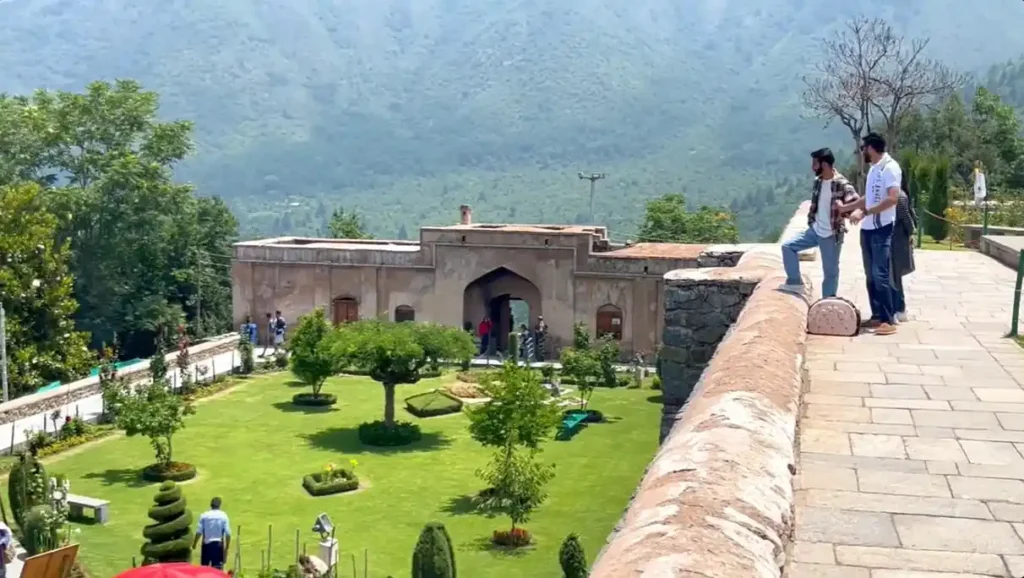
Upper terraces: The higher levels provide increasingly wide views over Srinagar, Dal Lake and the surrounding Zabarwan landscape making the upper part of the complex particularly popular with visitors.
Terraced gardens: Lawns, plants and garden areas occupy parts of the terraces blending the surviving historic structures with the natural hillside.
The Hammam: The third terrace features what is believed to be the royal hammam (bathhouse), complete with visible remnants of underground heating conduits.
Pari Mahal combines Mughal garden planning with Persian and Islamic architectural influences, but its hillside location gives it a character quite different from Srinagar’s larger Mughal gardens.
Its terraces, retaining walls, arches and water infrastructure were adapted to the steep mountain slope rather than arranged on a broad, level garden site. The result is a more compact and architectural complex, where the historic ruins and the elevated landscape work together as part of the experience.
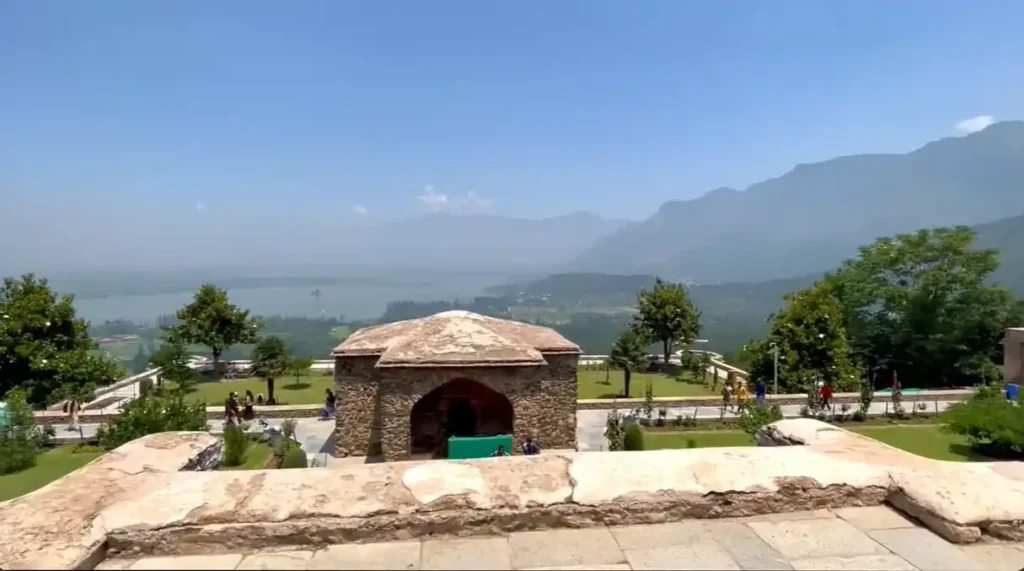
One of the main reasons to visit Pari Mahal is its elevated panoramic view over Srinagar and Dal Lake. From the upper terraces, the hillside setting opens up broad views across the surrounding landscape.

The best time to visit Pari Mahal depends on whether you care most about pleasant weather, garden scenery, clear views or sunset photography. In general, April to October offers the most comfortable conditions for exploring the terraces, while late afternoon is the best time of day for views and photography.
April to October is generally a good period to visit Pari Mahal. Spring brings greener gardens and seasonal flowers, while the warmer months offer comfortable conditions for exploring the terraces and enjoying the views over Srinagar and Dal Lake.
April and May are particularly pleasant for gardens and greenery. July and August can bring rain, cloud cover and occasional haze, which may reduce visibility across Dal Lake and the surrounding mountains.
September and October can be especially rewarding for photography with cooler weather and changing seasonal colours. Winter visits from December to February are colder and snow or ice can occasionally make the stone steps and terraces slippery. However, a clear winter day can provide excellent views of the surrounding mountains and valley.
Late afternoon to sunset is the best time to visit Pari Mahal if panoramic views and photography are your priorities. Arriving around 60–90 minutes before sunset gives you enough time to explore the terraces in daylight before watching the changing light over Srinagar and Dal Lake.
Sunset is one of the most popular times to visit Pari Mahal. The elevated position allows you to watch the evening light spread across Srinagar, Dal Lake and the surrounding Zabarwan mountains. Check the local sunset time for your travel date and plan to arrive early enough to explore the site before the light fades. Sunset times vary considerably between summer and winter in Kashmir.
Pari Mahal is located on an exposed hillside, so it can feel cooler and windier than areas closer to Dal Lake, particularly in the evening. Carry a light jacket even during warmer months and check the weather forecast if clear views are important to your visit.
After rain or snowfall, take extra care on the stone steps and terraces as some areas may become slippery.
Pari Mahal is generally quieter than some of Srinagar’s larger Mughal gardens, although sunset can be the busiest period because of the panoramic views.
For a more peaceful visit, consider going on a weekday or arriving before the main sunset crowd.
For photography, the hour before sunset generally provides the most attractive light. The softer evening light can bring out the texture of the historic walls and terraces while creating better conditions for photographing Srinagar and Dal Lake.
If your main goal is the panoramic view, prioritize clear visibility over a specific time of day. Haze, clouds or rain can have a much greater effect on the final view than the exact time you arrive.
Pari Mahal is located on a hillside above Chashme Shahi in Srinagar. The easiest way to reach it is by taxi, private cab, or as part of a Srinagar sightseeing tour. There is no dedicated public transport service that takes visitors directly to the monument.
From Lal Chowk / Srinagar city center: Roughly 10–11 km, about a 25–35 minute drive depending on traffic through the Boulevard Road stretch.
From Dal Lake / Boulevard Road: Roughly 5–6 km, generally a 15–20 minute drive up the hillside road.
From Srinagar Airport (Sheikh ul-Alam International Airport): Approximately 19–20 km, typically 35–45 minutes by cab depending on city traffic.
From Srinagar Railway Station: Approximately 14–16 km, roughly 30–40 minutes by road.
From Chashme Shahi: This is the closest major attraction, roughly 1–2 km away — a short drive or for the reasonably fit, a walkable uphill route.
A private taxi is the most convenient option, especially if you are visiting Pari Mahal along with Chashme Shahi, Nishat Bagh, Shalimar Bagh and other Srinagar attractions. You can hire a cab in Kashmir for a full-day sightseeing route or take a taxi directly to Pari Mahal.
There is no dedicated public bus service directly to Pari Mahal. Visitors generally use taxis, private vehicles or organized sightseeing tours to reach the hillside entrance.
If you are staying on a Dal Lake houseboat or in a Srinagar hotel asking your accommodation provider to arrange a local cab can also be a convenient option
Pari Mahal is easiest to visit as part of a Srinagar sightseeing route rather than as a standalone trip. Its location above Chashme Shahi makes it particularly convenient to combine with the Mughal gardens and other attractions on the eastern side of Dal Lake.
Chashme Shahi — Located directly below Pari Mahal, this is a natural first stop if you want to explore the two sites together. The garden is relatively compact so it usually takes less time to visit than Nishat Bagh or Shalimar Bagh.
Pari Mahal — Continue uphill to Pari Mahal for its historic terraces and panoramic views over Srinagar and Dal Lake. If sunset photography is your priority, consider making Pari Mahal your final major stop of the day.
Indira Gandhi Memorial Tulip Garden — If you are visiting during tulip season usually around late March to April the garden can be added to the same sightseeing route. Check the current opening dates before planning your visit. Check or Tulip Garden Srinagar guide
Nishat Bagh — Continue along the eastern side of Dal Lake to this large terraced Mughal garden. Allow more time here because of its size and extensive terraces.
Shalimar Bagh — Further north along Dal Lake, Shalimar Bagh is another major Mughal garden and can be included if you have enough time.
Dal Lake — Finish the day with a shikara ride or enjoy the lake from Boulevard Road. If you are staying on a houseboat, you can also combine your Pari Mahal visit with your houseboat experience.
If you have limited time, Chashme Shahi and Pari Mahal are the easiest combination. They are close to each other and can be visited together without spending much time travelling between attractions.
What is the difference between Shalimar Bagh and Nishat Bagh?
Shalimar Bagh is a royal garden built for an Empress known for its deep three-terrace structure and the Black Pavilion. Nishat Bagh is a steeper 12-terraced garden built by Asif Khan (Nur Jahan’s brother) that offers broader more panoramic views of Dal Lake.
Who built Shalimar Bagh in Srinagar?
Mughal Emperor Jahangir built the original Shalimar Bagh in 1619 for his wife, Nur Jahan. It was later expanded by Zafar Khan under the orders of Shah Jahan in 1630.
How much time should I spend at Shalimar Garden?
Most visitors spend between 45 minutes to an hour exploring the terraces. If you are a photography enthusiast, allocate up to 1.5 hours.
Are there any places to eat inside the garden?
No, food is not allowed inside to preserve the garden’s cleanliness. However, there are numerous stalls, cafes and restaurants immediately outside the entrance gate.
Is it worth visiting Shalimar Bagh in winter?
In winter (December to February), the flowers are not in bloom, the Chinar trees are bare and the fountains are usually turned off to prevent freezing. However, it still offers a quiet, snow-covered, historic atmosphere for those who appreciate tranquil landscapes.
What is the Shah Nahar?
The Shah Nahar is the central water channel that runs through all three terraces of Shalimar Bagh, feeding its fountains and cascades from the highest terrace down to the lowest.
What are the chini khanas?
Chini khanas are arched niches carved into stone walls behind Shalimar Bagh’s waterfalls. Historically lit with oil lamps at night to create a glowing effect through the falling water, they now hold potted flowers.
How far is Shalimar Bagh from Srinagar Airport?
Approximately 25 km, typically a 45–60 minute drive depending on traffic.
Can Shalimar Bagh be visited along with Nishat Bagh in one day?
Yes, both gardens are close to each other on Dal Lake and are commonly combined in a single half-day sightseeing trip, often alongside a shikara ride or a stop at Chashme Shahi.
Is photography allowed inside Shalimar Garden?
Yes, photography is allowed for tourists. Professional photography or drone usage may require special permits.
Near Pari Mahal
Six terraces down from Pari Mahal, the rest of the city's Mughal gardens, lakes and viewpoints are all within easy reach.
1–2 km away
Located just 5 minutes from Pari Mahal, known for its refreshing natural mineral spring
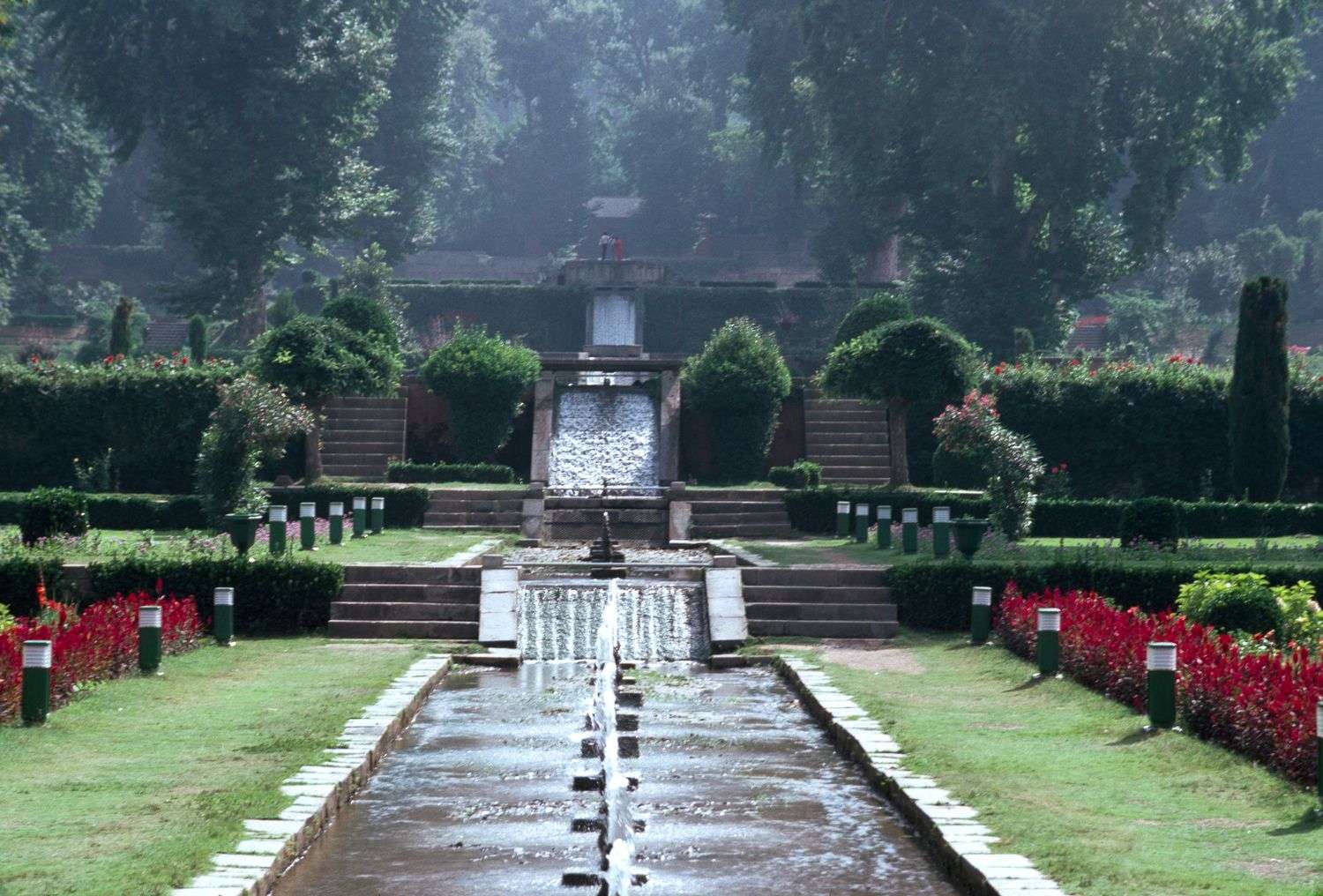 ~7 km away
A grand, fully intact Mughal garden with a central water channel running straight down to the shore of Dal Lake.
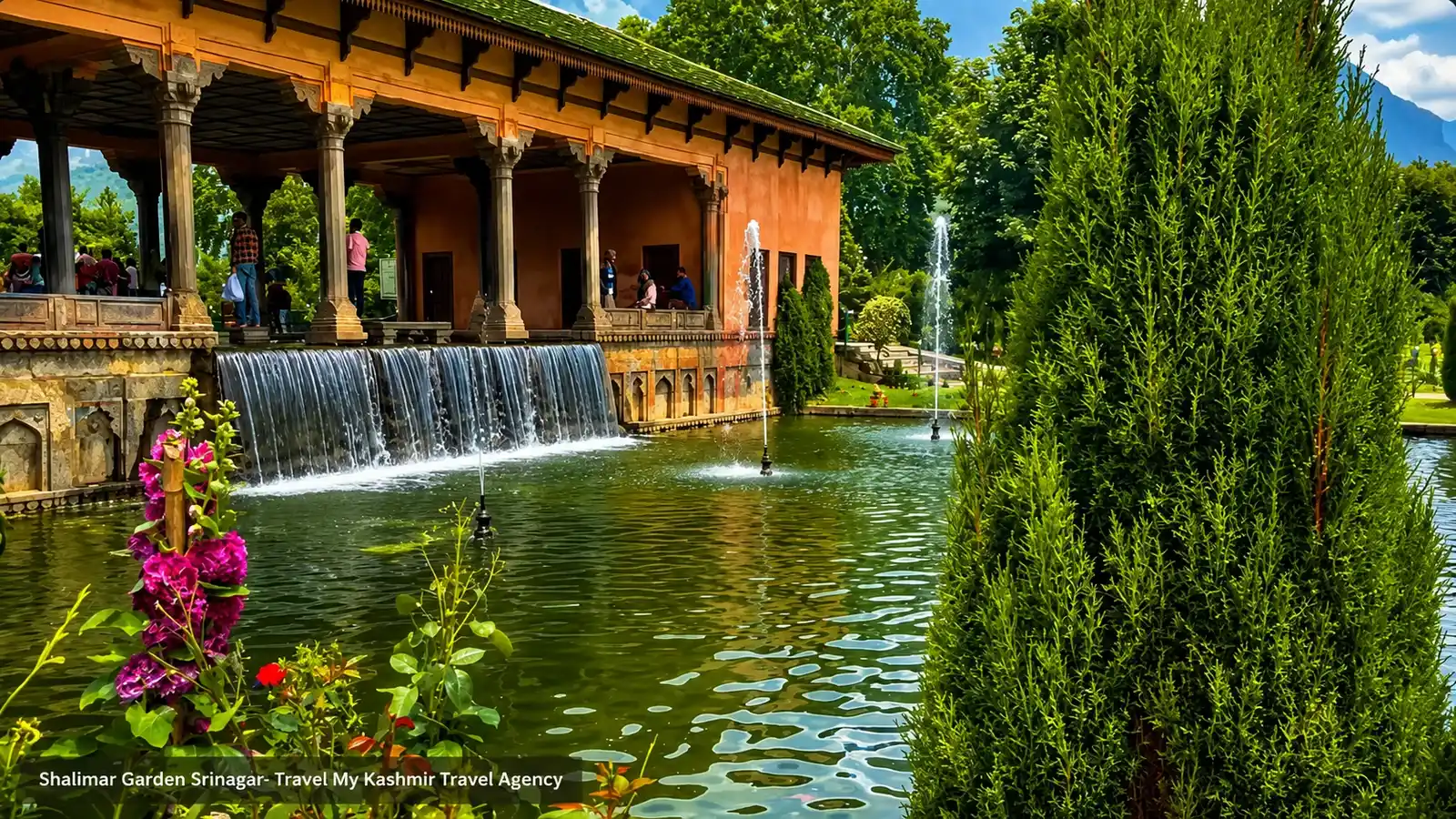 ~12 km away
Built for Empress Nur Jahan, and the grandest of the valley's Mughal gardens — worth the extra distance.
 ~6 km away
The view you'll recognize from the top of Pari Mahal — best experienced up close on a shikara at sunrise or sunset.
 Seasonal · Mar–Apr
Asia's largest tulip garden, in bloom for a short window each spring — check dates before planning around it.
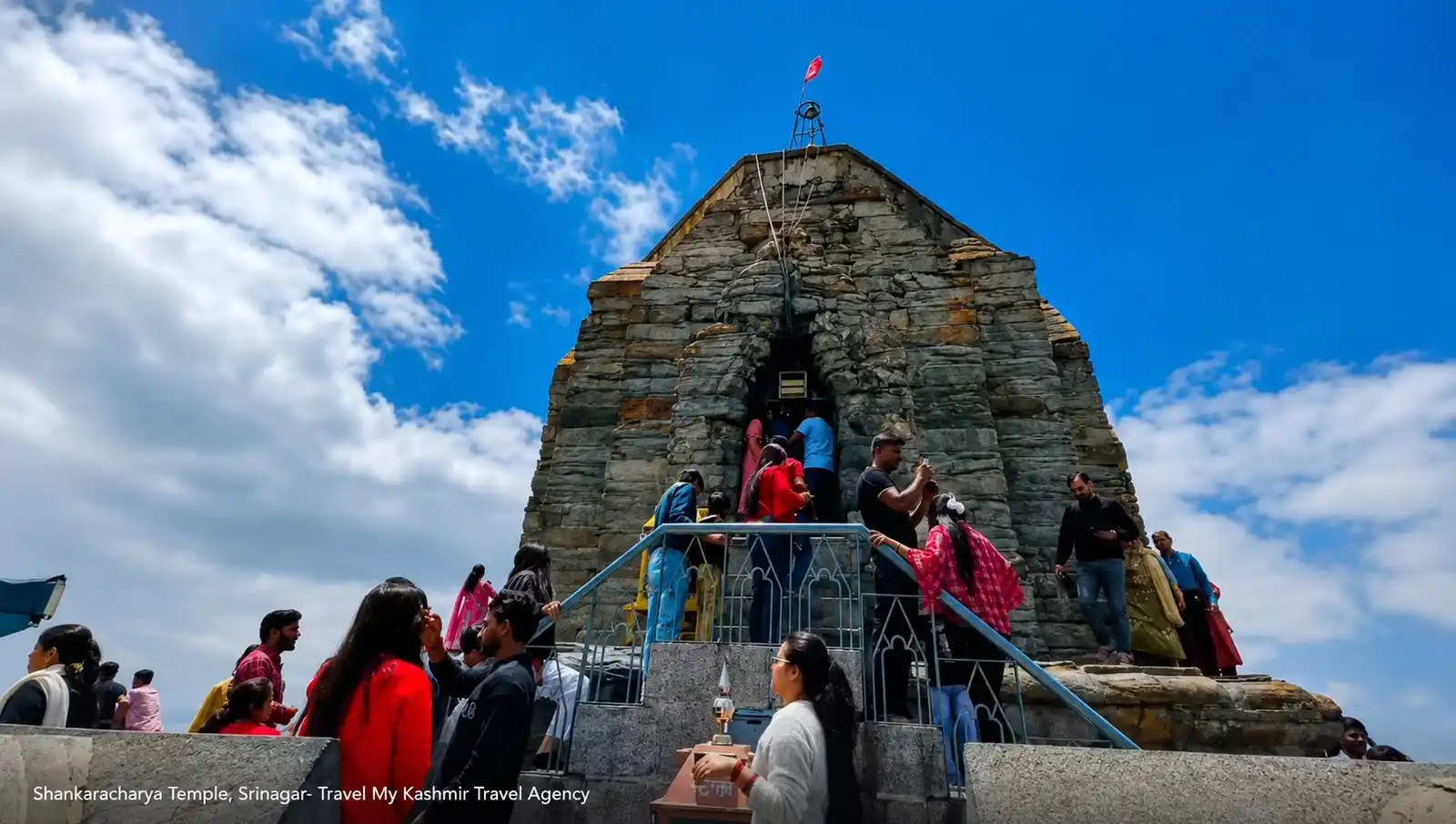 ~11 km away
Another hilltop viewpoint over the city, on a different ridge — a good comparison if you enjoyed the view from Pari Mahal.
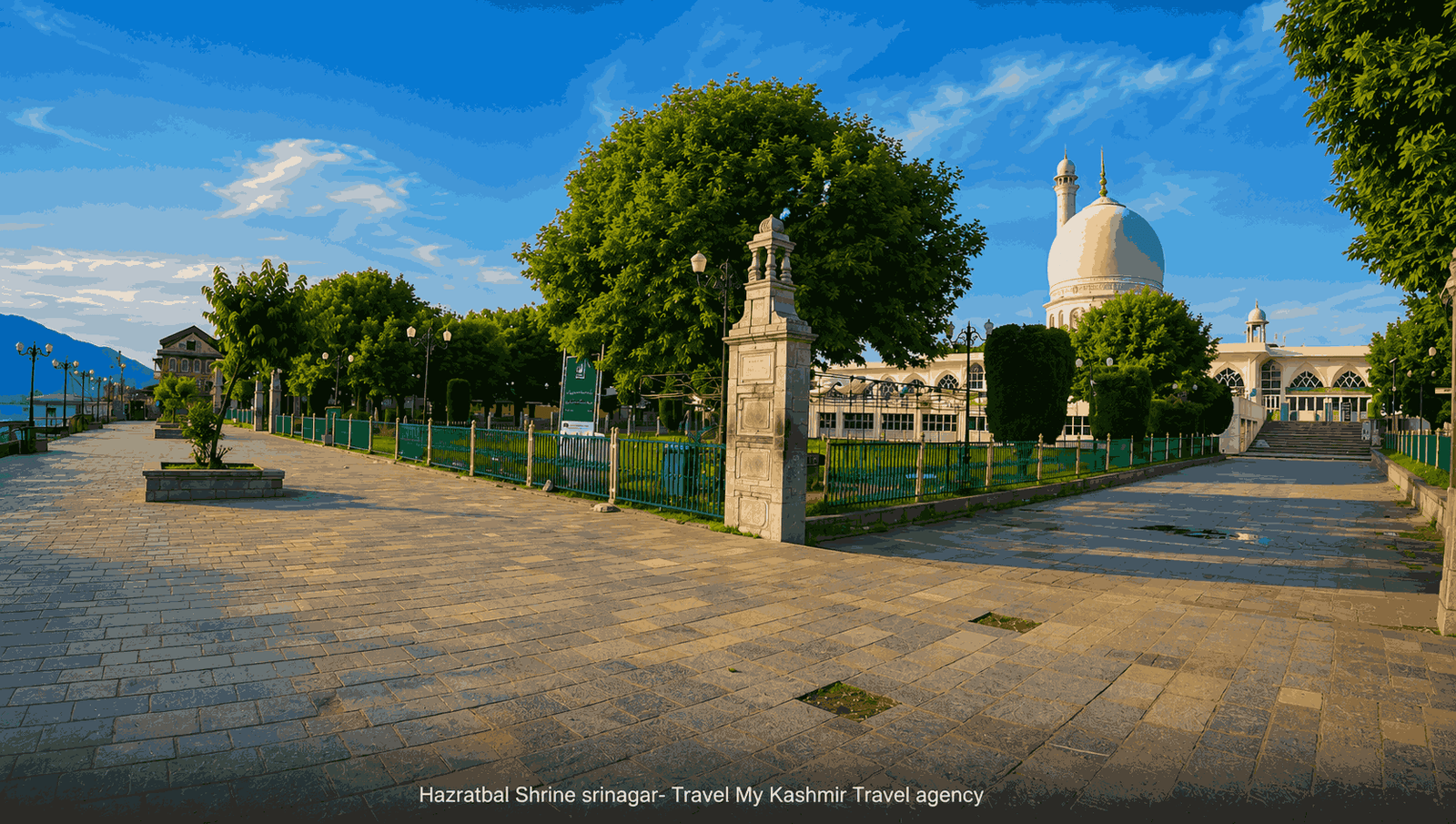 ~9 km away
Srinagar's most revered mosque, set right on the northern shore of Dal Lake and known for its gleaming white marble facade.
WhatsApp!