 Right on the shore
Dal Lake
Shalimar Bagh's central water channel was designed to align with the lake it sits beside — a shikara ride connects the two naturally.
Travel My Kashmir Travel Agency | Kashmir Cab Service & Tour Packages

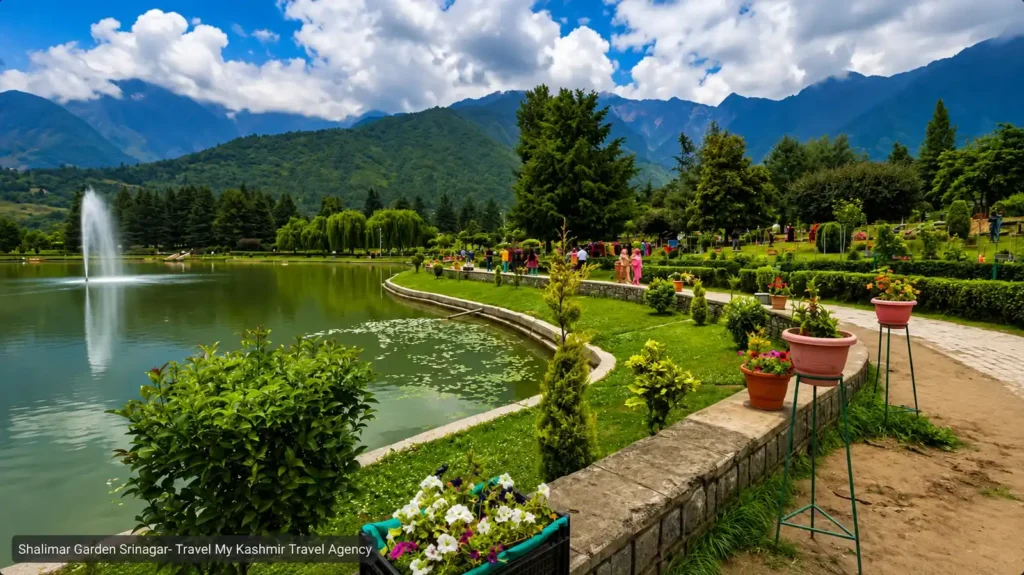
Shalimar Garden, also known as Shalimar Bagh is the largest Mughal garden in Kashmir and one of Srinagar’s best known historic attractions. Located on the northeastern shore of Dal Lake, the garden was developed by Mughal Emperor Jahangir in 1619 as a royal retreat for his wife, Nur Jahan, naming it Farah Baksh “the delightful. It later received further extensions under Shah Jahan. The 31-acre garden is known for its terraced layout, central water channel, fountains, Chinar-lined pathways and Mughal-era pavilions.
Today, Shalimar Bagh is a public garden and an important part of Srinagar’s Mughal garden circuit. This guide covers the history of Shalimar Bagh, its layout and architectural features, current timings and entry fee, how to reach the garden, the best time to visit and practical tips for planning your visit.
Shalimar Bagh sits along the northeastern side of Dal Lake, within easy reach of Nishat Bagh and Chashma Shahi, making it convenient to include several of Srinagar’s Mughal gardens in the same sightseeing trip.
Visitors can purchase the entry ticket for Shalimar Bagh either online or directly at the ticket counter at the garden entrance. For online booking, you can use the official J&K Tourism Department website which provides information and online services for tourist attractions in Jammu & Kashmir.
Timings and entry fees: These can change by season or local administrative decision. Check the latest information before visiting rather than relying solely on older figures published online.
Shalimar Bagh was developed by Mughal Emperor Jahangir in 1619 to serve as a royal summer residence for his beloved wife, Empress Nur Jahan. It was designed as a resting place for the royal court during the hot summer months.
While Jahangir laid the foundation for the garden. In 1630, Emperor Shah Jahan ordered Zafar Khan, then governor of Kashmir to extend Shalimar Bagh. The expansion added a new section known as “Faiz Baksh”, meaning “the bountiful.”
This phase also included the construction of the “Black Pavilion”, a black-marble baradari associated with the upper, zenana (women’s) terrace of the garden. He also significantly upgraded the water systems, adding many of the fountains we see today.
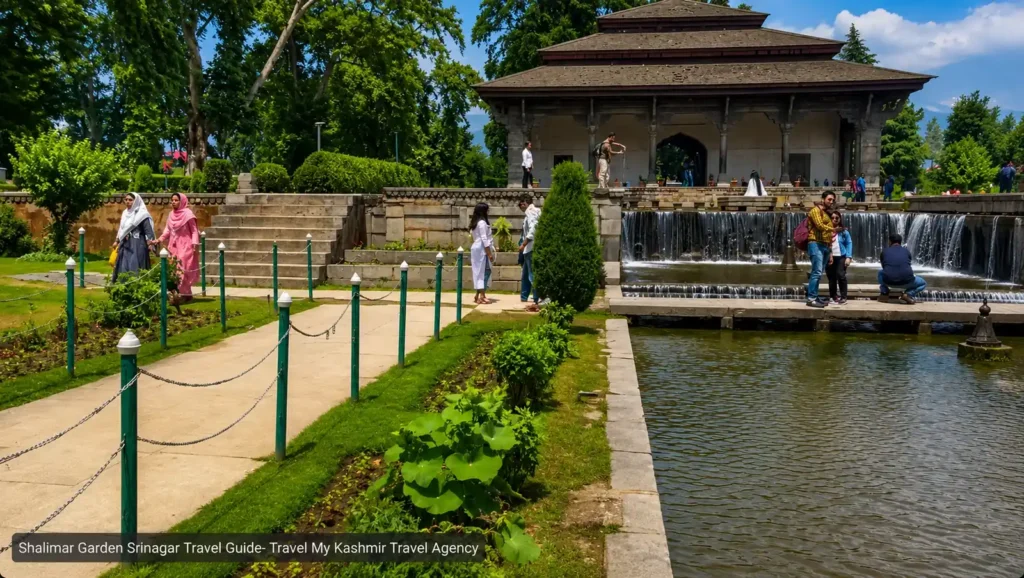
After the decline of Mughal rule in Kashmir Shalimar Bagh passed through Afghan and Sikh administration before coming under Dogra rule. During Maharaja Ranjit Singh’s rule, beginning in 1819, the garden’s marble pavilion was reportedly used as a guesthouse for European visitors. Later, during the reign of Maharaja Hari Singh, the garden was electrified.
Over the centuries, the garden was associated with different names and periods of development, but Shalimar Bagh became the name by which it is commonly known today. It now functions as a public garden and managed by the Jammu and Kashmir Tourism Department.
The etymology of “Shalimar” is debated. The most widely accepted theory is that it derives from Sanskrit or Kashmiri words roughly translating to “Abode of Love” or “Hall of Love.” It is also believed to be connected to the name of a local village that existed before the garden was built.
Shalimar Bagh is famous for its combination of Mughal history, garden architecture, water engineering and distinctive Kashmiri setting. Unlike a simple ornamental park, the garden was designed as a carefully planned royal retreat, with terraces, a central water channel, fountains, pavilions and Chinar-lined pathways working together as one landscape.
Chini Khanas: Arched niches built behind the waterfalls are one of Shalimar Bagh’s most distinctive features. Historically, oil lamps placed inside these niches created a dramatic glow behind the falling water. Today, the niches are generally used for displaying plants and flowers.
Black Pavilion: The historic black-marble baradari is one of the garden’s best-known architectural features and reflects its connection with the Mughal court.
Chinar-lined pathways: Mature Chinar trees provide shade across the garden and contribute to the characteristic landscape for which Shalimar Bagh is known.
The garden’s design is an adaptation of the traditional Persian Charbagh (a quadrilateral garden layout). However, because of the Zabarwan Range’s hilly terrain, the garden was built on a linear axis utilizing three distinct terraces rather than a flat square. The entire garden measures 587 meters in length and 251 meters in width.
First terrace (Diwan-i-Aam): the public garden, ending at the Diwan-e-Aam (Hall of Public Audience), where a small black marble throne once stood above a waterfall. It was where the emperor would meet the common people and hold public audiences. It features a grand entrance and is usually the most crowded area.
Second terrace (Diwan-i-Khas): The Diwan-e-Khas (Hall of Private Audience) reserved for nobles and court guests. This is the central terrace, also known as the Emperor’s Garden. It is wider and more lavishly decorated. It houses the Black Pavilion, which was used for private audiences and royal gatherings. This is often considered the most beautiful part of the garden.
Third terrace (Zenana) : This is the topmost and most private terrace. It was reserved exclusively for the royal ladies (the harem). It features high walls for privacy and contains the water source that feeds the rest of the garden.
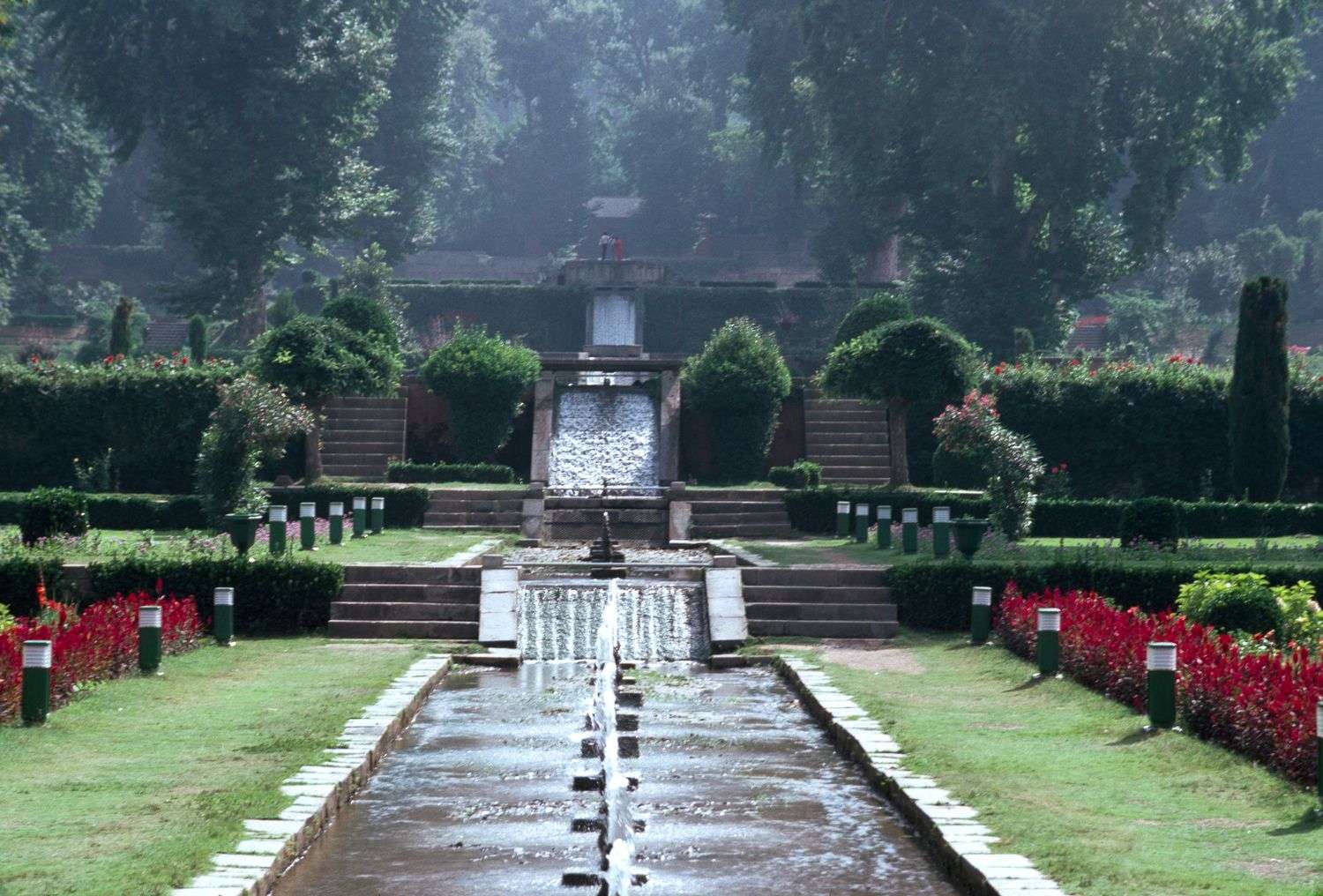
The lifeline of Shalimar Bagh is the Shah Nahar, a central water canal that runs from the top terrace Zenana terrace’s down to the bottom through the Diwan-e-Khas pools and finally into the Diwan-e-Aam pools.
The engineering behind it is remarkable, water is gravity-fed from a mountain spring and the channels were designed with specific slopes to ensure the fountains work without any pumps. There are over 400 fountains in the garden.
A separate canal also historically connected Shalimar Bagh with Dal Lake, forming part of the wider water network around the garden.
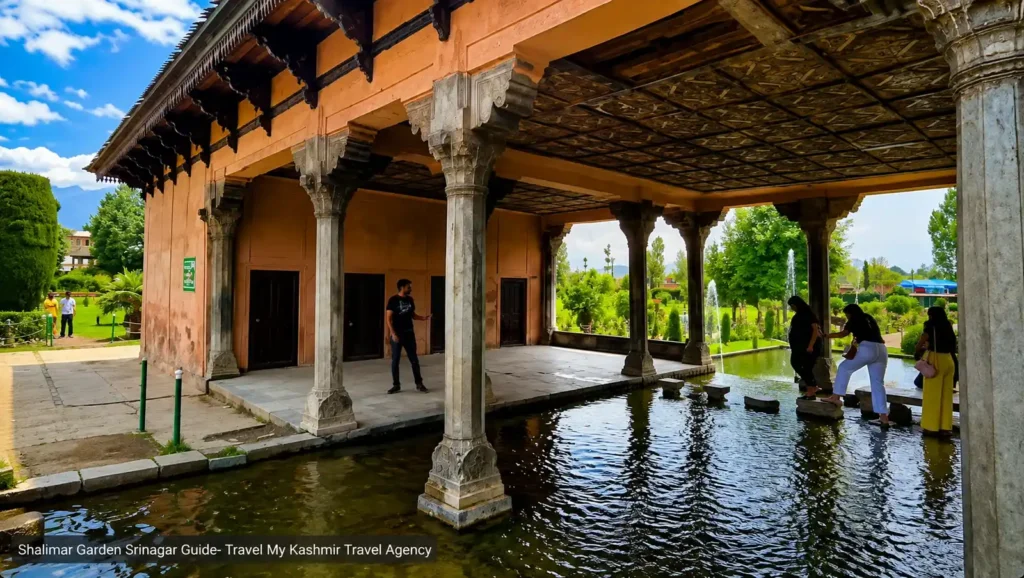
Chini Khanas: These are small, arched niches built behind the waterfalls along the canal. During the Mughal era, they were used to hold oil lamps at night, creating a spectacular illusion of light glowing behind the falling water.
The Black Pavilion (Shish Mahal): Built by Shah Jahan in the middle terrace, this pavilion is constructed from black stone and was a private retreat for the emperor. It offers one of the best framed views of the garden and the lake beyond.
Shalimar Bagh is generally open daily, with seasonal hours roughly 9:00 AM–7:00 PM from April to October and shorter winter hours (commonly cited as around 10:00 AM–5:00 PM) from November to March as daylight and tourist footfall drop.
Entry fees for Indian nationals are ₹50 and ₹200 for Foreigners
The best time to visit Shalimar Bagh depends on the experience you want. Spring brings fresh greenery and flowering plants, while autumn is particularly attractive for its Chinar foliage. Summer offers a lush garden landscape but generally comes with more visitors.
Spring (March to May): The garden becomes greener and more vibrant as plants and flowers come into bloom. The weather is generally comfortable for walking through the terraces.
Summer (June to August): Shalimar Bagh is at its lushest, with dense greenery and mature trees providing shade. This is also a busy period for tourism in Kashmir, so visiting earlier in the day can make for a more relaxed experience.
Autumn (September to November): This is one of the most visually striking periods to visit, particularly when the Chinar trees begin changing colour. The combination of golden and reddish foliage with the Mughal architecture makes autumn especially popular for photography. Read more about How Kashmir looks in Autumn.
Winter (December to February): The garden has a quieter and more subdued character. Vegetation is less vibrant and the experience is different from the lush spring and summer landscape, but visitors looking for a peaceful walk may still enjoy it.
Best Time of Day to Visit
For a quieter experience, morning is generally a good choice particularly before the main sightseeing crowds arrive. Late afternoon can also offer softer light for photography, but always check the current closing time before planning a late visit.
Shalimar Bagh is located roughly 15 kilometers from the city center (Lal Chowk). It sits on the right bank of Dal Lake, accessible via the scenic Boulevard Road.
From Srinagar Airport (SXR): The nearest airport is Sheikh ul-Alam International Airport (SXR), roughly 25 km away typically a 45–60 minute taxi ride depending on traffic and route around the lake.
By train: Srinagar Railway Station is about 22 km from the garden.
By road from the city: Shalimar Bagh is about 14 km from Lal Chowk, Srinagar’s central hub.
From Tourist Reception Centre / Lal Chowk: A 30-40 minute drive via Boulevard Road.
Transport Options: The most convenient way to visit is by booking a dedicated cab in Kashmir with a driver for a full-day local sightseeing tour. You can also reach the garden via auto-rickshaws or even take a Shikara ride across Dal Lake, as the garden is linked to the lake via a canal.
Plan for 1 to 2 hours at Shalimar Bagh for a comfortable visit. This gives you enough time at the Black Pavilion and chini khanas and to walk through the garden, see its main architectural features, enjoy the Chinar-lined paths and take photographs without rushing.
If you enjoy photography or want to explore the garden at a slower pace allow up to 2–3 hours.
If you are visiting Nishat Bagh and Shalimar Bagh together along with a Dal Lake Shikara ride, setting aside half a day is more practical once travel time between attractions is included.
This is a common question for tourists short on time. The answer depends on preference:
Choose Shalimar Bagh if: You are interested in history, architecture and engineering. You want to see the famous fountains and walk through intimate, historic spaces.
Choose Nishat Bagh if: You want photography and views. Nishat Bagh (“Garden of Bliss”) sits directly on the lake’s edge and offers a stunning panoramic view of the Dal Lake and the Zabarwan mountains.
Recommendation: If time permits, visit both as they are only 3 km apart. If you must choose one, history buffs will prefer Shalimar while photographers will prefer Nishat.
You can easily combine a visit to Shalimar Bagh with other nearby attractions:
Nishat Bagh: Located just 3 km away, it is the second largest Mughal garden. Explore more about Nishat Bagh here
Dal Lake : Best for a shikara ride, best combined with the gardens circuit. Know more about Dal Lake Srinagar
Chashme Shahi: The smallest of the three Mughal gardens, known for its freshwater spring. Get More details about Chashma Shahi here
Pari Mahal: A historic terraced garden and observatory located above Chashme Shahi.
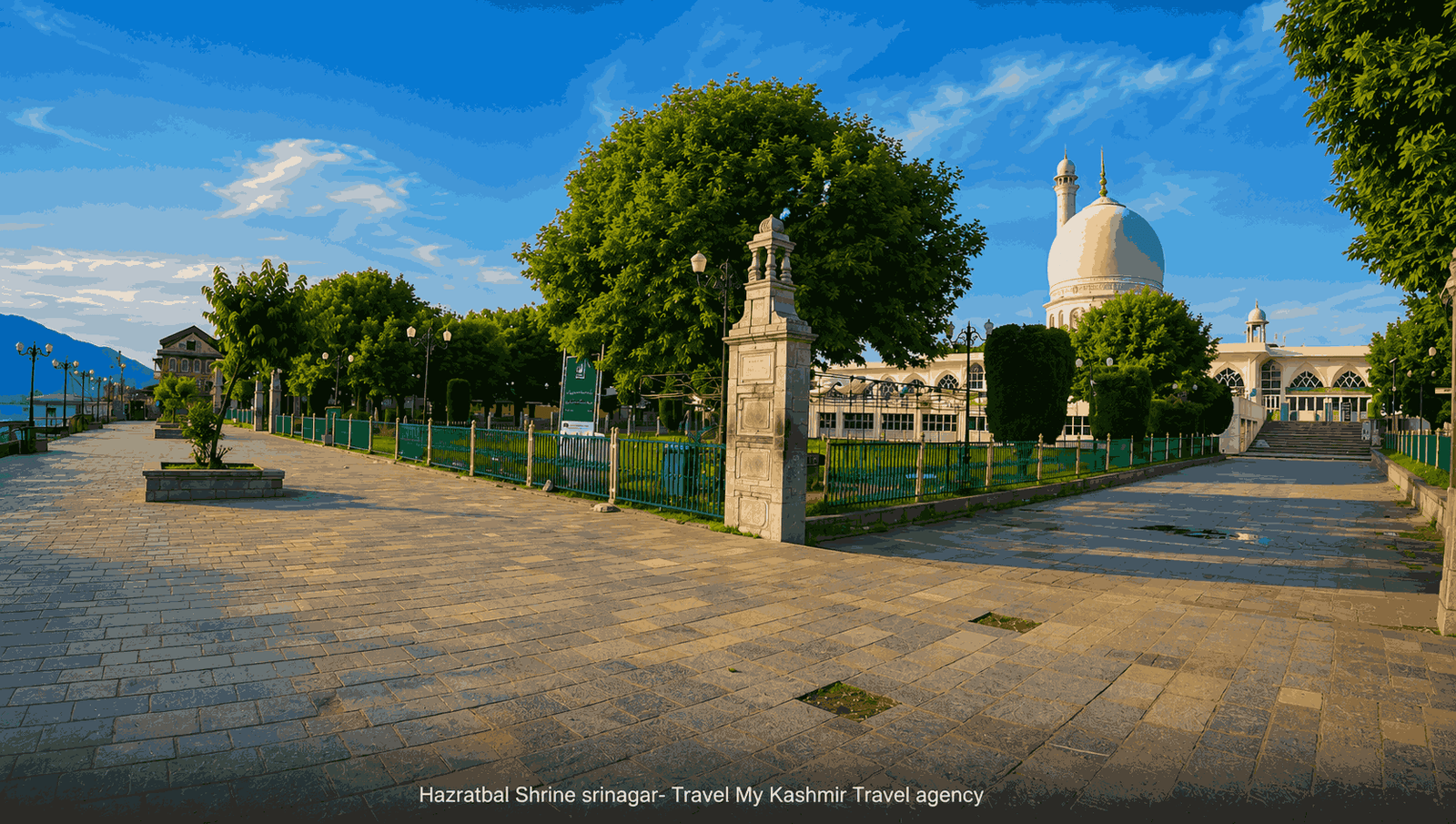
Hazratbal Shrine: A significant Muslim shrine located nearby on the lake’s western shore.
What is the difference between Shalimar Bagh and Nishat Bagh?
Shalimar Bagh is a royal garden built for an Empress known for its deep three-terrace structure and the Black Pavilion. Nishat Bagh is a steeper 12-terraced garden built by Asif Khan (Nur Jahan’s brother) that offers broader more panoramic views of Dal Lake.
Who built Shalimar Bagh in Srinagar?
Mughal Emperor Jahangir built the original Shalimar Bagh in 1619 for his wife, Nur Jahan. It was later expanded by Zafar Khan under the orders of Shah Jahan in 1630.
How much time should I spend at Shalimar Garden?
Most visitors spend between 45 minutes to an hour exploring the terraces. If you are a photography enthusiast, allocate up to 1.5 hours.
Are there any places to eat inside the garden?
No, food is not allowed inside to preserve the garden’s cleanliness. However, there are numerous stalls, cafes and restaurants immediately outside the entrance gate.
Is it worth visiting Shalimar Bagh in winter?
In winter (December to February), the flowers are not in bloom, the Chinar trees are bare and the fountains are usually turned off to prevent freezing. However, it still offers a quiet, snow-covered, historic atmosphere for those who appreciate tranquil landscapes.
What is the Shah Nahar?
The Shah Nahar is the central water channel that runs through all three terraces of Shalimar Bagh, feeding its fountains and cascades from the highest terrace down to the lowest.
What are the chini khanas?
Chini khanas are arched niches carved into stone walls behind Shalimar Bagh’s waterfalls. Historically lit with oil lamps at night to create a glowing effect through the falling water, they now hold potted flowers.
How far is Shalimar Bagh from Srinagar Airport?
Approximately 25 km, typically a 45–60 minute drive depending on traffic.
Can Shalimar Bagh be visited along with Nishat Bagh in one day?
Yes, both gardens are close to each other on Dal Lake and are commonly combined in a single half-day sightseeing trip, often alongside a shikara ride or a stop at Chashme Shahi.
Is photography allowed inside Shalimar Garden?
Yes, photography is allowed for tourists. Professional photography or drone usage may require special permits.
Near Shalimar Bagh
From this Mughal garden on the shore of Dal Lake, the rest of the city's gardens, shrines, and viewpoints are all within easy reach.
Right on the shore
Shalimar Bagh's central water channel was designed to align with the lake it sits beside — a shikara ride connects the two naturally.
 ~2–3 km away
The closest of the other Mughal gardens, and a natural pairing on the same lakeside stretch as Shalimar.
 ~5–6 km away
Srinagar's most revered mosque, a short drive around the lake's northern edge from Shalimar.
 ~8–9 km away
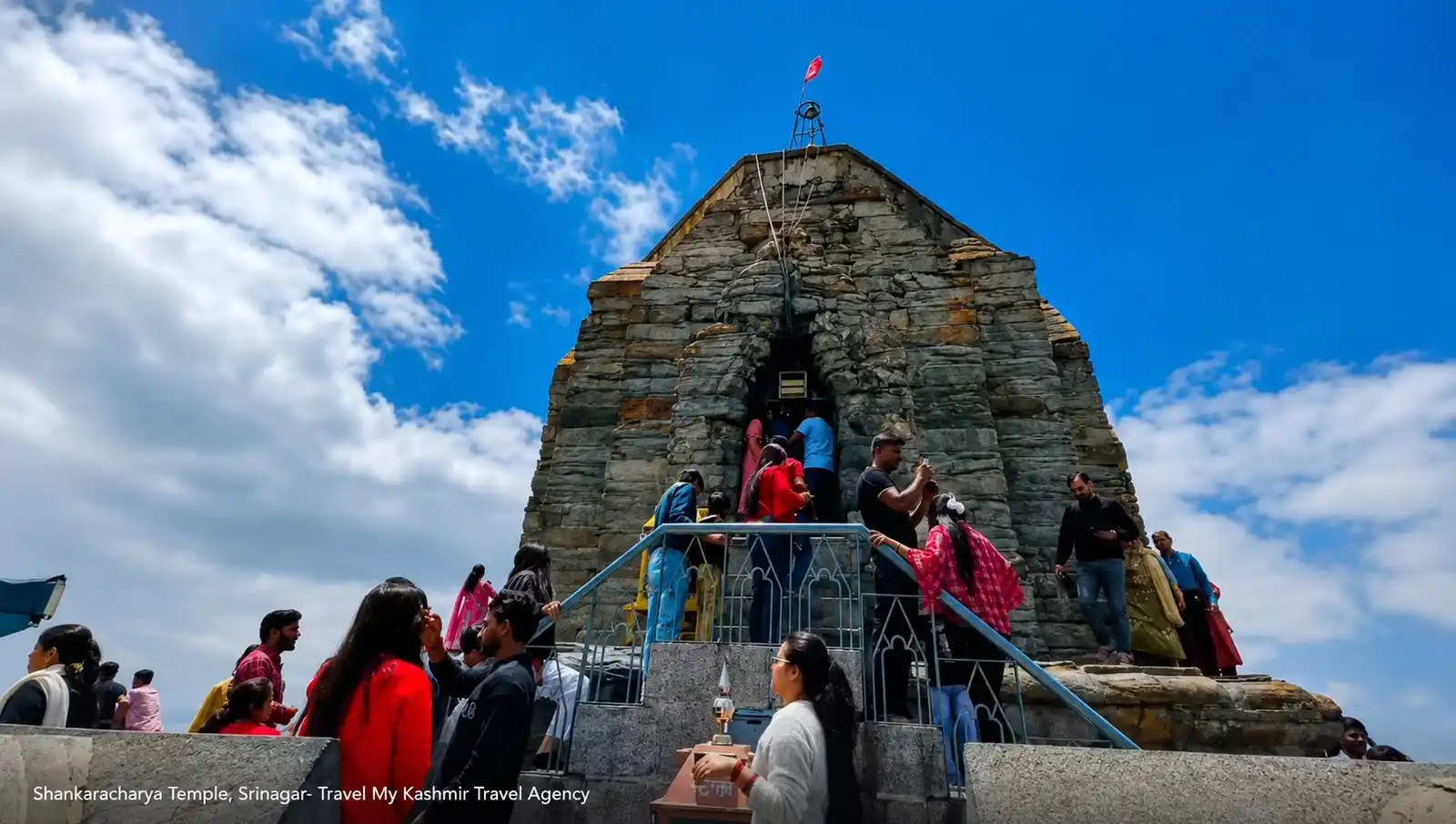
A hilltop viewpoint over the city and the lake, on the opposite side of Srinagar from Shalimar.
 Seasonal · Mar–Apr
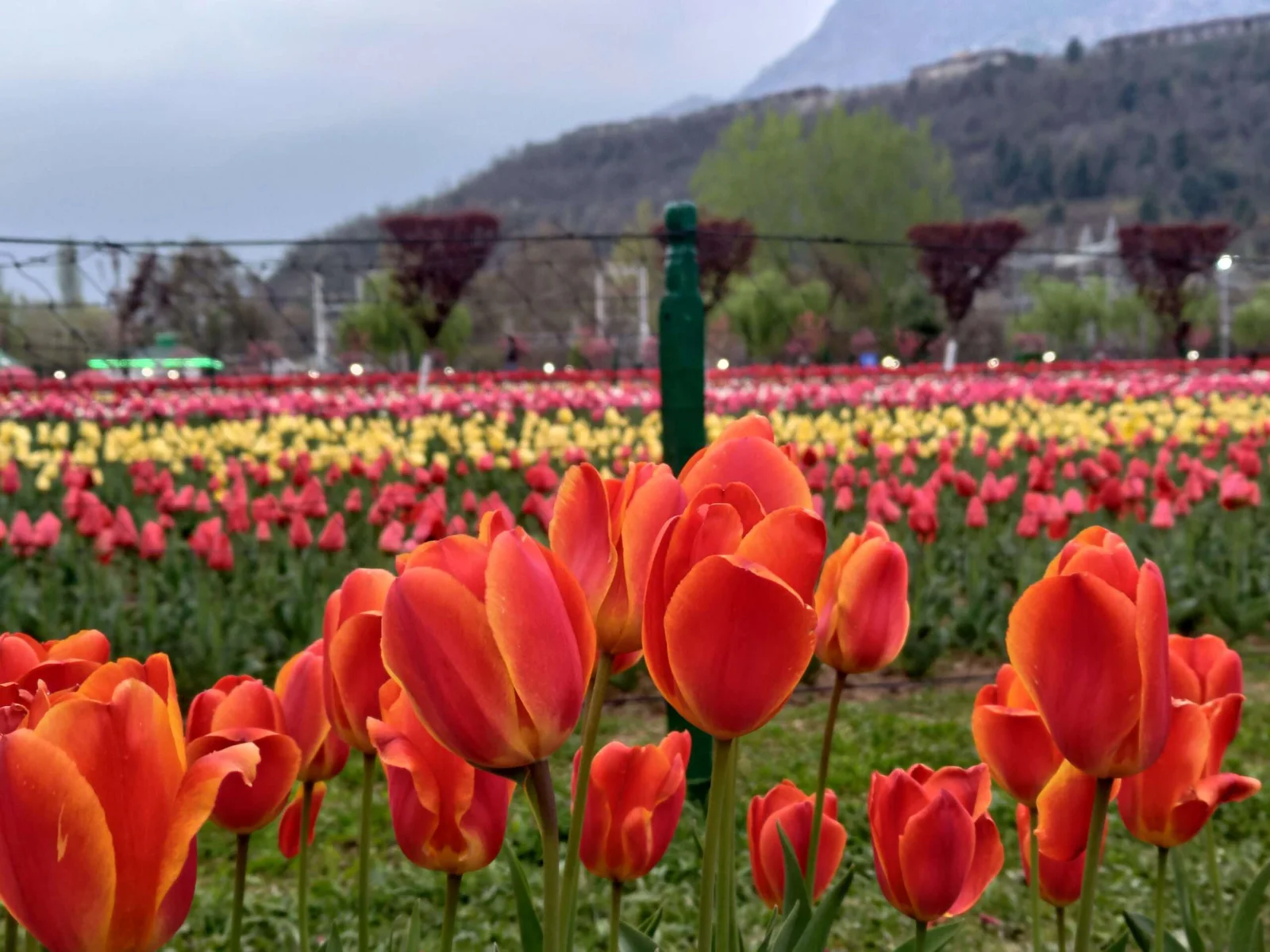
Asia's largest tulip garden, in bloom for a short window each spring — check dates before planning around it.
 ~10–11 km away
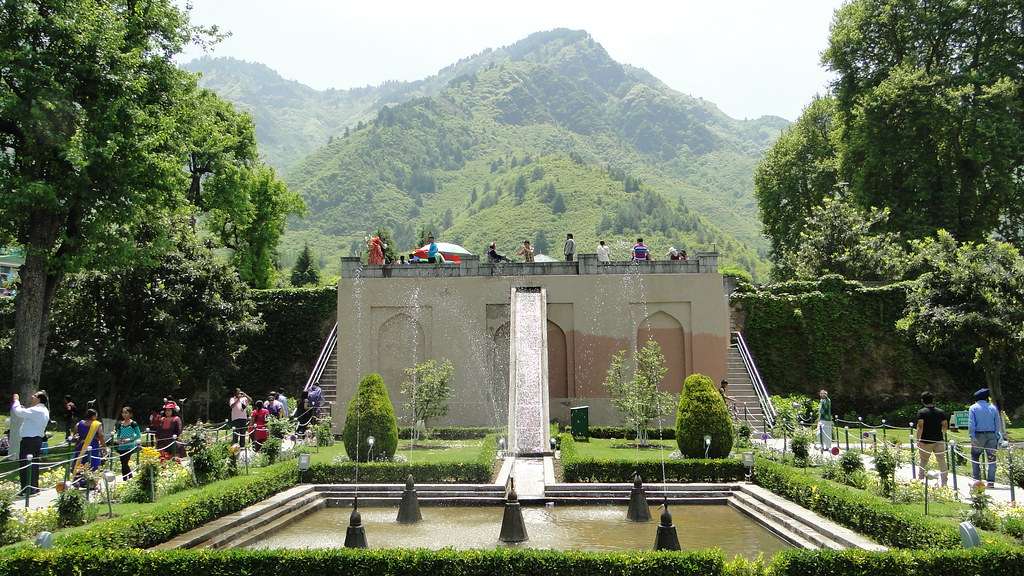
A small, spring-fed Mughal garden across the city, easy to combine with Pari Mahal in the same trip.
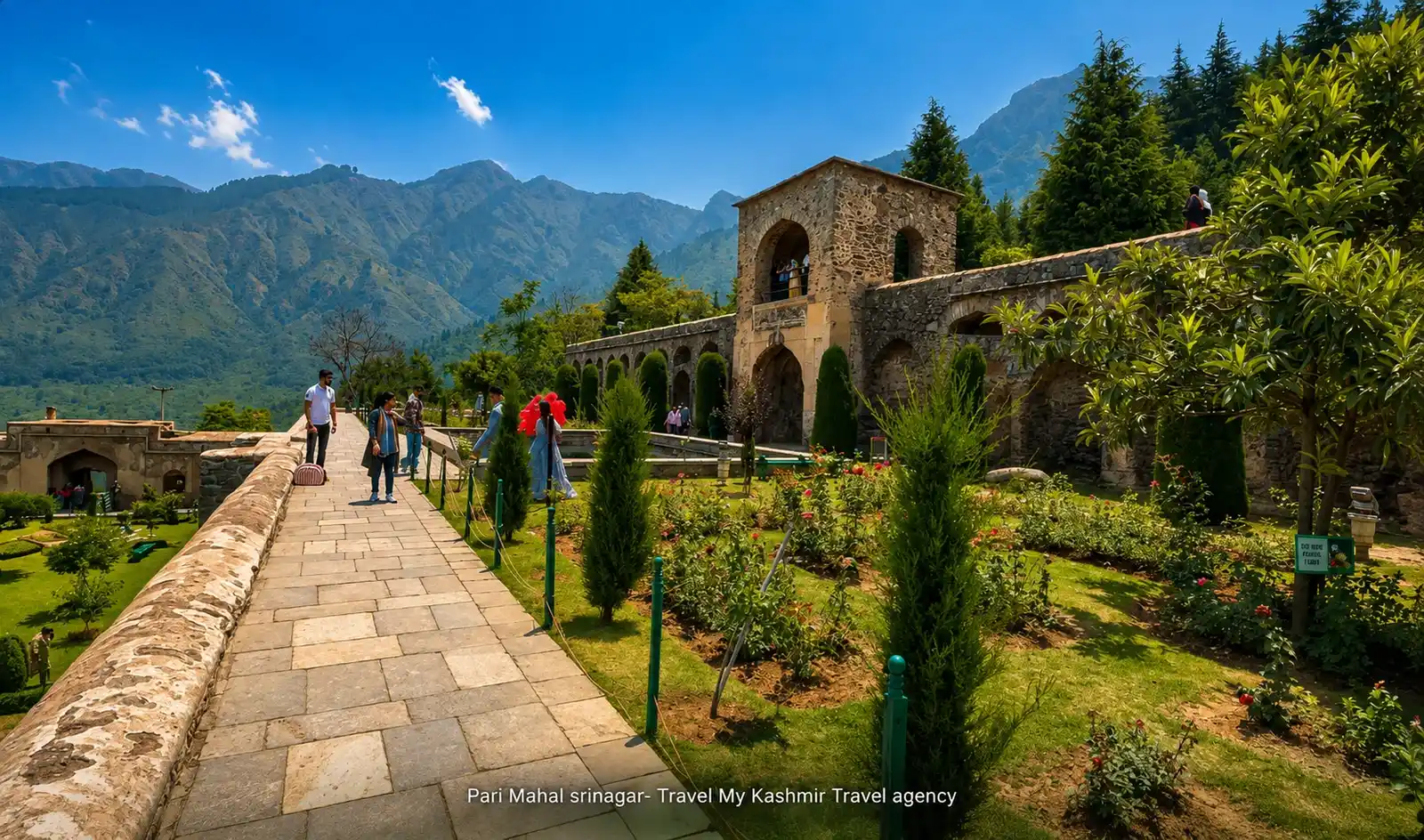 ~10–11 km away
The furthest stop on this list — a seven-terraced hillside garden with Srinagar's best sunset view, just past Chashme Shahi.
WhatsApp!