Right on the shore
Dal Lake
Hazratbal Shrine sits directly on the lake's northern shore — a shikara ride from here is one of the calmest ways to see it.
Travel My Kashmir Travel Agency | Kashmir Cab Service & Tour Packages

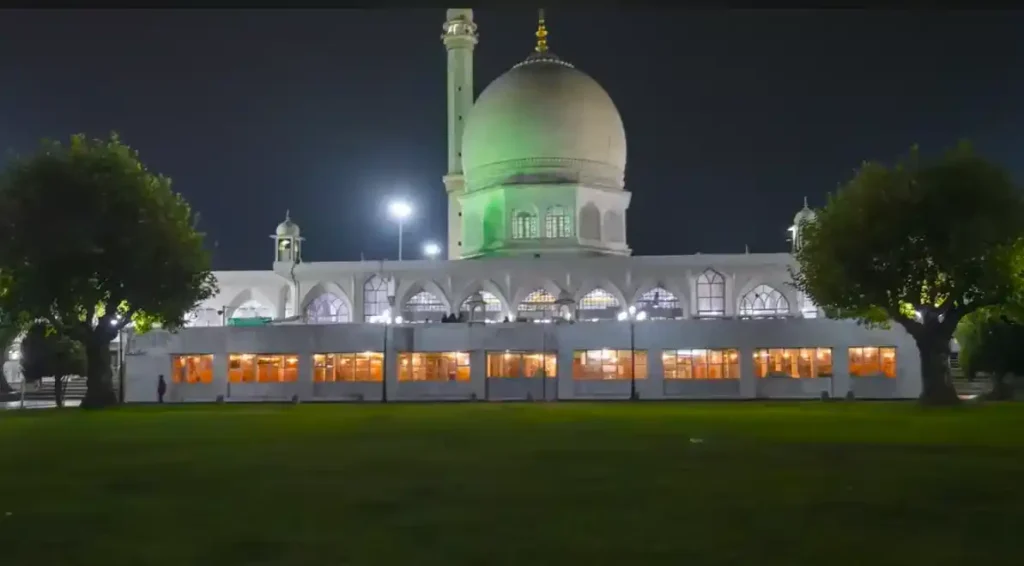
On the northern shore of Dal Lake in Srinagar with the Zabarwan Mountains rising behind it, stands the striking white-marble Hazratbal Shrine. One of the most revered Muslim shrines in Kashmir, Hazratbal is famous for preserving the Moi-e-Muqqadas, a sacred relic believed to be a hair of the Prophet Muhammad (PBUH). Its distinctive dome, white-marble façade and peaceful setting beside Dal Lake make it one of the most significant religious and cultural landmarks as well as one of the most memorable places to visit in Srinagar.
The Moi-e-Muqaddas, the sacred relic believed to be a hair of the Prophet Muhammad (PBUH) has a long and deeply revered history in Kashmir. Historical accounts place its arrival in Kashmir around 1699–1700 after it had reached India in the 17th century. It was initially kept at the Khanqah-e-Naqshband Sahib in Srinagar before being moved to the site of present-day Hazratbal, then known as Sadiqabad because of the growing number of devotees who came to see the relic.
The site itself dates back to the Mughal period. Sadiq Khan, a subedar under Emperor Shah Jahan built a garden and palace known as Ishrat Mahal in the 17th century. During Shah Jahan’s visit to Kashmir in 1634, the building was converted into a place of prayer.
The Hazratbal Shrine gradually developed into an important place of pilgrimage because of the sacred relic. The present white-marble structure was constructed between 1968 and 1979 under the Muslim Auqaf Trust headed by Sheikh Mohammad Abdullah, giving the shrine its distinctive dome and minaret that can be seen today.
The Moi-e-Muqaddas is displayed to devotees on special Islamic and religious occasions, drawing large congregations to Hazratbal. Eid-e-Milad, which marks the birth of the Prophet Muhammad (PBUH) is among the important occasions associated with the public display of the relic. Other observances connected with the Prophet and his companions may also feature its display with dates varying each year according to the Islamic calendar and local religious schedule.
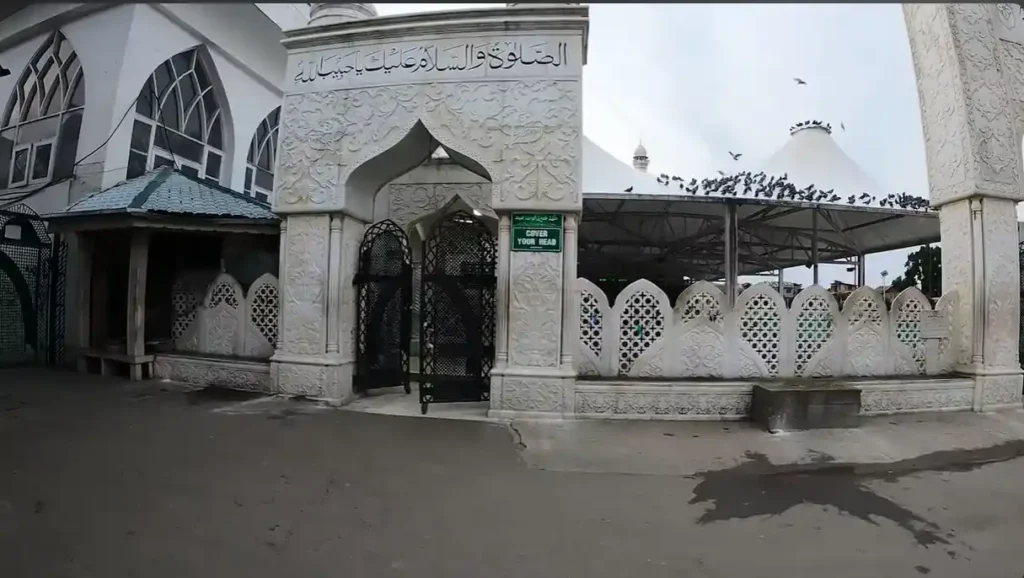
The shrine is one of Hazratbal’s biggest attractions: the white-marble shrine stands beside Dal Lake with the Zabarwan Mountains rising behind it. Pigeons circle above the courtyard while shikaras move across the lake, creating one of Srinagar’s most distinctive views. For an especially memorable perspective you can see Hazratbal from the water during a shikara ride.

Inside the shrine, visitors should remember that Hazratbal is an active place of worship. Access to different areas may depend on religious observances and the shrine’s current arrangements, so visitors should follow instructions from shrine authorities. Dress modestly, remove your shoes where required and maintain a quiet and respectful manner. During major religious occasions the shrine can become extremely crowded as large numbers of devotees gather.
Around Hazratbal, you will find local shops, bakeries and food stalls serving popular Kashmiri snacks and everyday street food. Friday is generally a particularly busy day around the shrine because of congregational prayers and the activity that follows. If you are interested in trying local food during your Srinagar visit, you can also explore our Kashmir street food guide.
Timings: Hazratbal Shrine is generally accessible during the day with activity centered around daily prayers. Friday is usually the busiest day while weekday mornings can be quieter.
Entry: Entry to the shrine is generally free.
Dress code: Dress modestly and respectfully. Shoulders and knees should be covered and women are advised to carry a headscarf. Shoes should be removed before entering areas where required and shoe-storage facilities are available near the entrance.
Etiquette: Hazratbal is an active place of worship, so visitors should maintain a quiet and respectful manner. Follow instructions and signage regarding photography and access to different areas particularly during prayers and religious gatherings. Avoid photographing people while they are praying without their permission.
Time needed: Allow around 30–45 minutes for a normal visit. You may need considerably more time on Fridays or during major religious occasions when large crowds gather.
Early morning is ideal if you want a quieter atmosphere and softer light on the white marble of Hazratbal Shrine. Late afternoon offers pleasant light across Dal Lake and the surrounding Zabarwan Mountains making it a good time for photography.
Autumn is particularly beautiful when the chinar trees around Srinagar take on golden and reddish colours. If your visit coincides with Eid-e-Milad, Hazratbal becomes especially lively with large gatherings and special religious observances. The shrine can be extremely crowded on such occasions so allow extra time for traffic parking and local transport.

Hazratbal Shrine is approximately 9 km from Lal Chowk on the northern side of Dal Lake near the University of Kashmir and Naseem Bagh. By road, it is easily accessible by cab from central Srinagar and the Boulevard area with the journey usually taking around 20–40 minutes depending on traffic.
For a more scenic experience consider a shikara ride on Dal Lake for views of Hazratbal from the water. Shikara routes, boarding points and drop-off arrangements can vary so confirm the route with the boat operator before setting out.
Hazratbal can also be combined with other religious and heritage attractions in Srinagar. If you are exploring the city’s spiritual side, consider visiting the Makhdoom Sahib Shrine and exploring the Sufi tourism circuit in Kashmir.
What is Hazratbal Shrine famous for?
Hazratbal Shrine is famous for the Moi-e-Muqaddas, a sacred relic believed to be a hair of the Prophet Muhammad (PBUH). It is one of the most revered Muslim shrines and important religious sites in Kashmir.
Can non-Muslims visit Hazratbal Shrine?
Yes — visitors of all faiths are welcome. Hazratbal is a place of worship and visitors should follow the shrine’s current access rules and instructions. Non-Muslim visitors should dress modestly and maintain respectful behaviour. Access to particular areas may be restricted during prayers or religious occasions.
What is the dress code at Hazratbal?
Visitors should wear modest clothing that covers the shoulders and knees. Women are advised to carry a headscarf. Shoes should be removed before entering areas where required.
When is the holy relic displayed at Hazratbal?
The Moi-e-Muqaddas is displayed to devotees on important Islamic and religious occasions, including Eid-e-Milad. The dates follow the Islamic lunar calendar and can vary each year.
Is there an entry fee at Hazratbal Shrine?
There is generally no entry fee to visit Hazratbal Shrine.
How far is Hazratbal Shrine from Boulevard Road?
Hazratbal Shrine is approximately 9 km from the Lal Chowk area and can usually be reached by road in around 20–40 minutes, depending on traffic. A shikara ride on Dal Lake can also provide scenic views of the shrine from the water, but shikara routes and drop-off arrangements may vary.
Travel My Kashmir arranges guided spiritual-heritage circuits covering Hazratbal, Makhdoom Sahib and the old city shrines. J&K Tourism-registered, Srinagar-based since 2005. Call +91-9796466052.
Near Hazratbal Shrine
From the shrine's marble courtyard on the shore of Dal Lake, the rest of the city's Mughal gardens, viewpoints, and the lake itself are all within easy reach.
Right on the shore
Hazratbal Shrine sits directly on the lake's northern shore — a shikara ride from here is one of the calmest ways to see it.
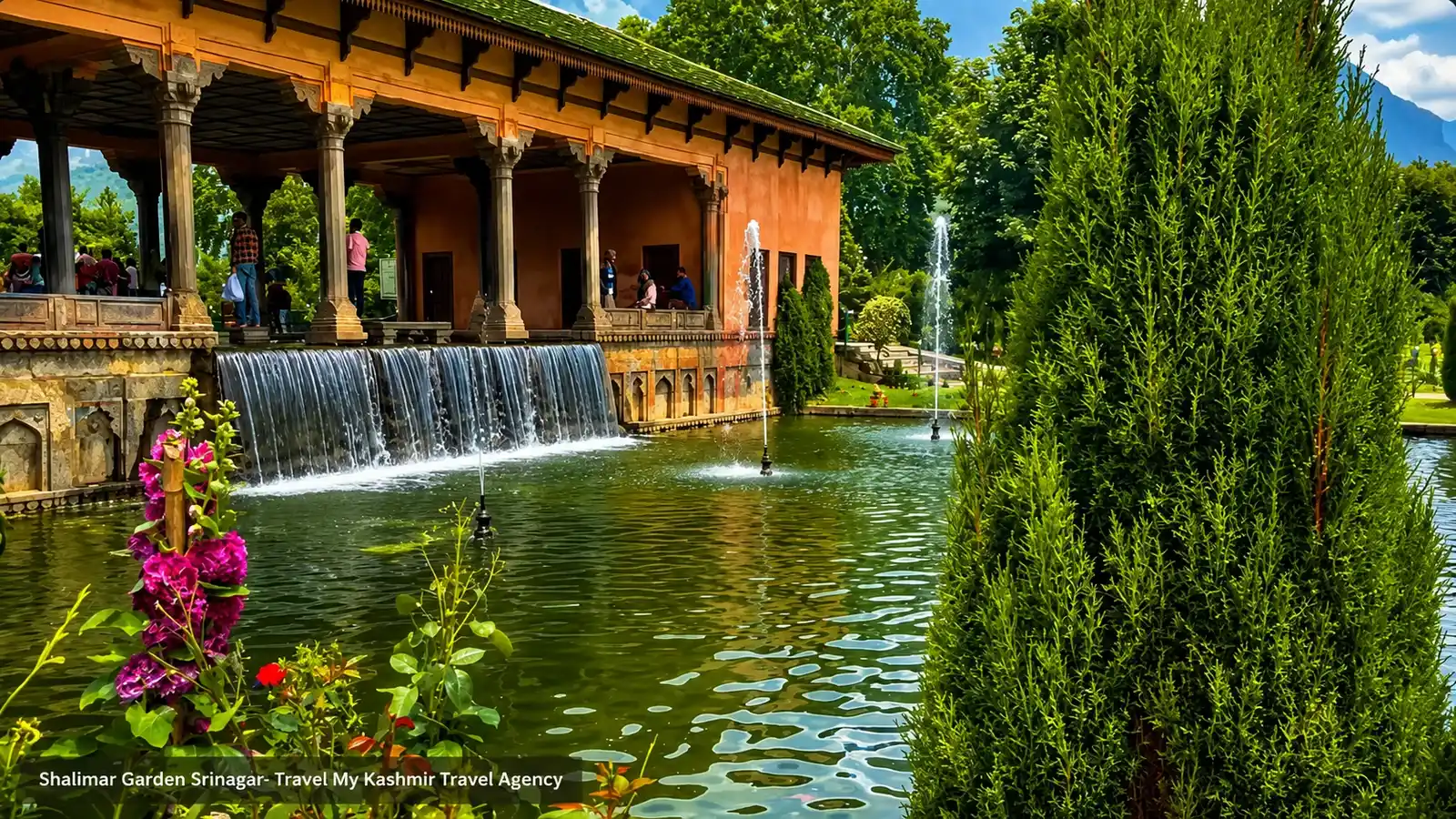
~5–6 km away
Built for Empress Nur Jahan, and the closest of the valley's grand Mughal gardens to the shrine.
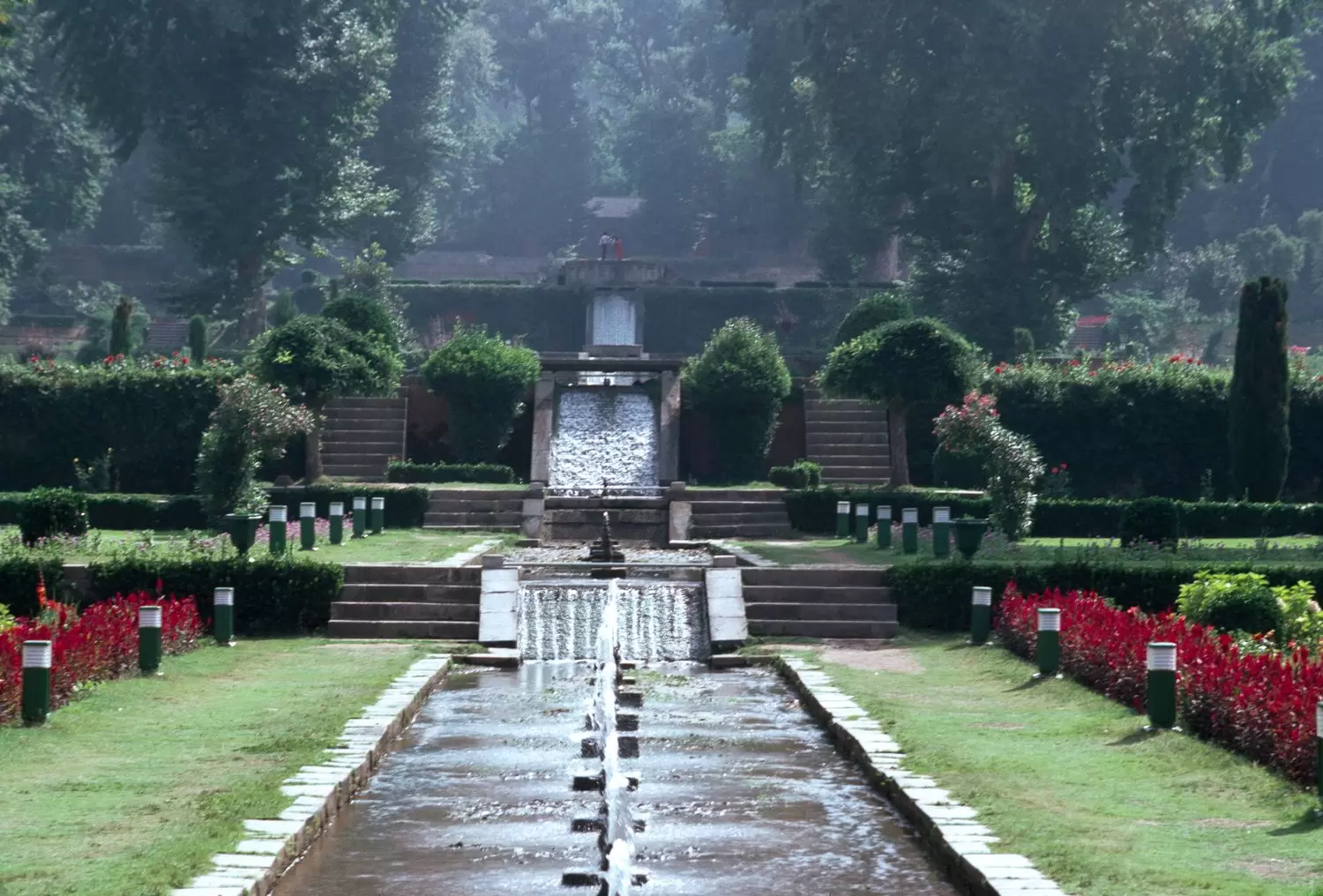
~9–10 km away
A grand, fully intact Mughal garden with a central water channel running straight down to the shore of Dal Lake.
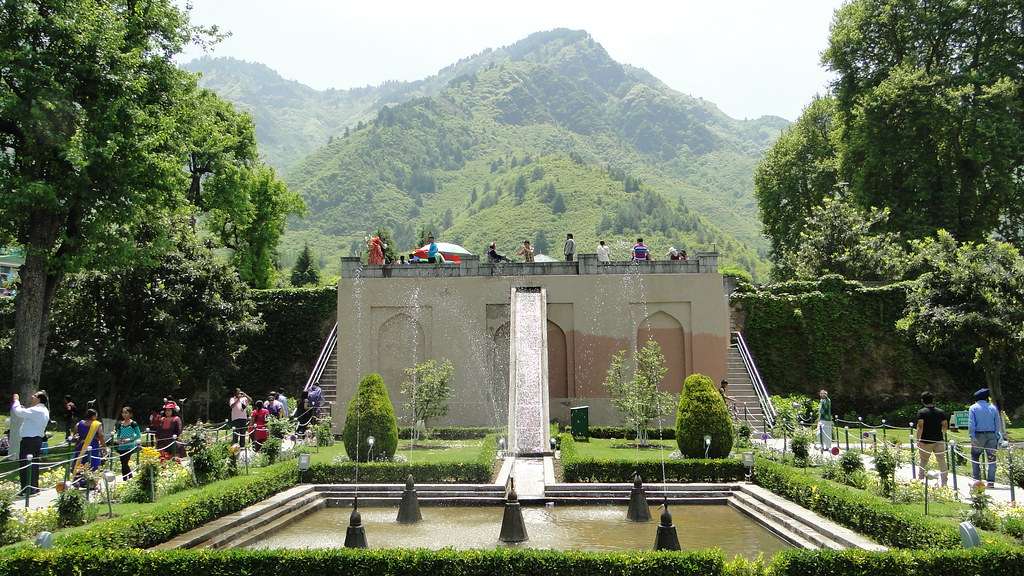
~9–10 km away
A seven-terraced hillside garden with the best sunset view over Dal Lake and the city — a short drive past Chashme Shahi.
~8–9 km away
A small, spring-fed Mughal garden on the way to Pari Mahal, worth combining into the same trip.
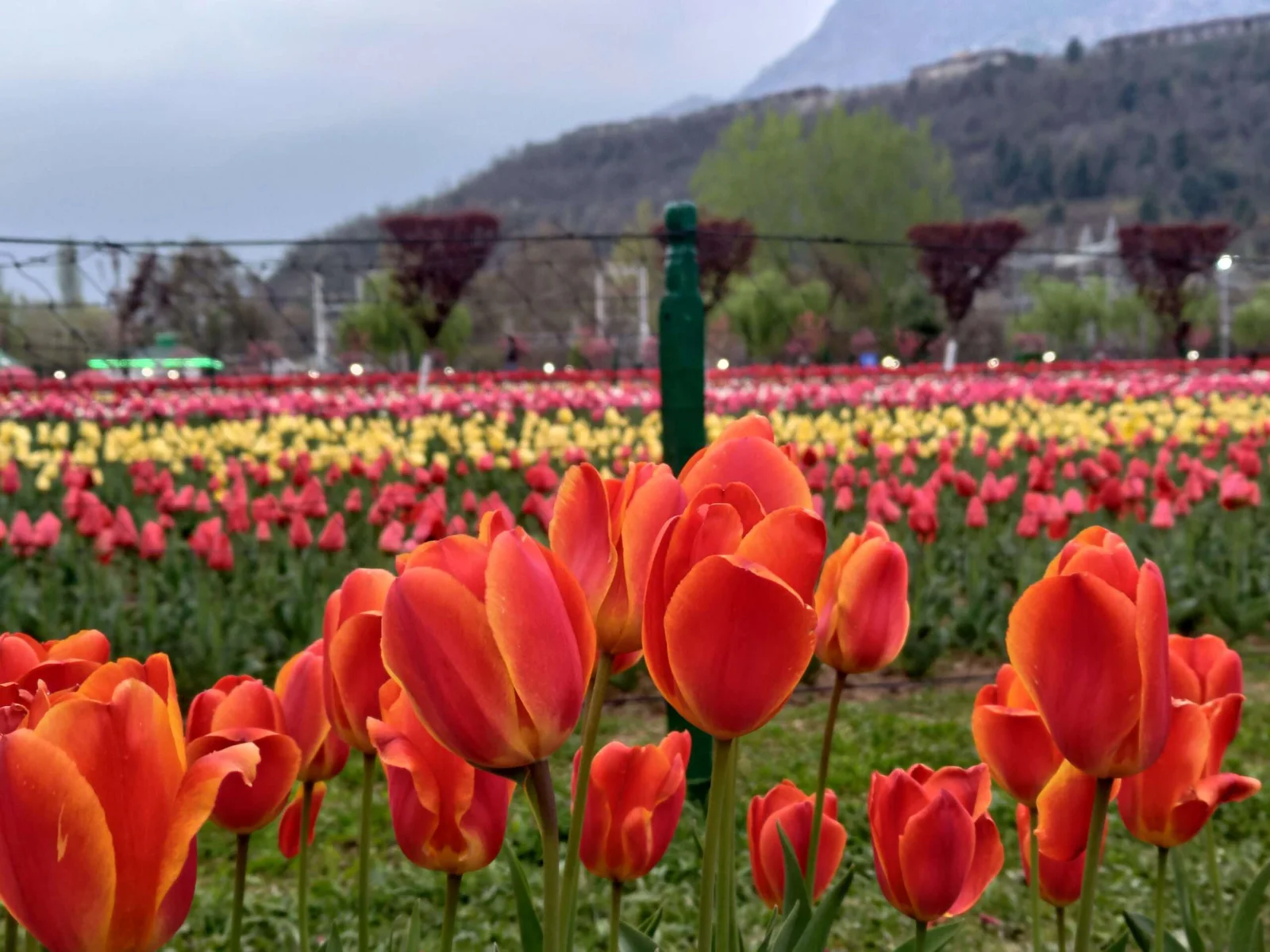
Seasonal · Mar–Apr
Asia's largest tulip garden, in bloom for a short window each spring — check dates before planning around it.
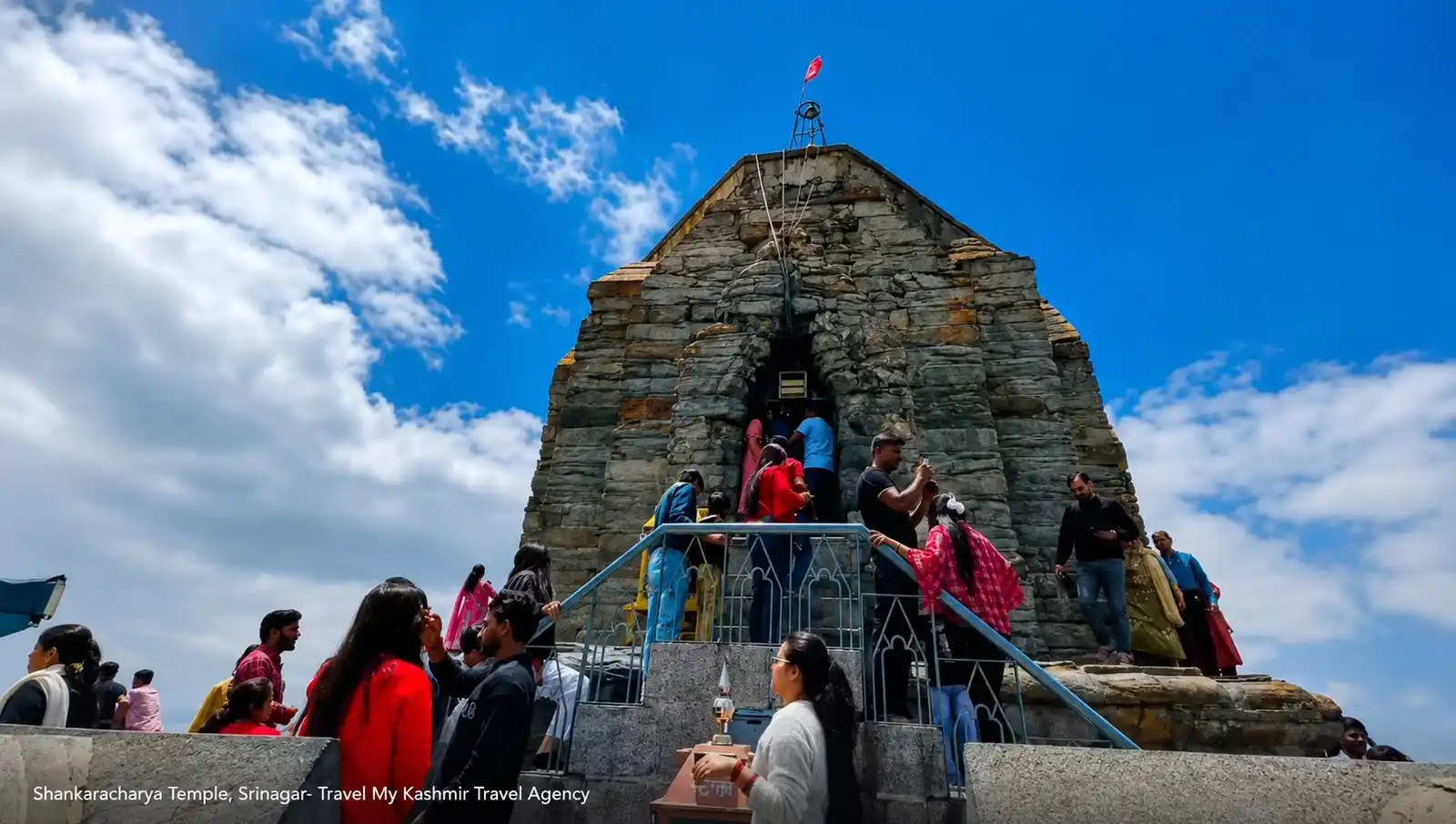
~13–14 km away
The furthest stop on this list, but a hilltop viewpoint over the city that pairs well with Pari Mahal's view.
WhatsApp!