
Best Time to See Snowfall in Kashmir (2026 Guide)
The best time to see snowfall in Kashmir is from late December to February with January being the peak month for heavy and consistent snow. During this period most of the valley including Srinagar sees snow, while higher altitude destinations receive thick snow cover best for winter activities.
Snow usually arrives earliest in Gulmarg and Sonmarg sometimes as early as late November, while Srinagar typically gets its first proper snowfall between mid-December and January depending on the year’s weather pattern. At the peak of winter Dal Lake can partially freeze and the whole valley turns into a white silent landscape.
This 2026 guide covers exactly when and where to see snow, a full month-by-month breakdown, the best destinations (including offbeat ones most guides skip), what to pack and answers to the most common questions travelers ask before a winter trip.
Pro Tip for 2026 Travelers: If you want guaranteed snow, book your stay in Gulmarg between January 5th and January 25th. This is when the valley receives its most consistent and powdery snow perfect for the Gondola ride.
Check our guide to the best places to see snowfall in Kashmir even in Summer
When Does It Snow in Kashmir?
Snowfall in Kashmir typically begins in late November or early December at higher reaches like Gulmarg and Sonamarg. However, the proper winter season for tourists starts in mid-December when the plains including Srinagar usually see their first snow. The valley officially enters its most intense and freezing 40-day winter phase known as Chillai Kalan from December 21 to January 31.
- Snowfall season: Late November (higher altitudes) to March/April (higher altitudes only)
- Main tourist season for snow: December to February
- Peak month: January
- Snow guaranteed in Srinagar: Late December through January
- Snow guaranteed year-round: Only at Apharwat Peak (Gulmarg Phase 2), Zero Point (Sonmarg) and Sinthan Top
When Does the Kashmir Snowfall Season Begin?
Snowfall season begins around late November with higher altitudes like Gulmarg and Sonamarg usually seeing the first snowfall. The plains including Srinagar and the Lidder Valley, typically receive their first snow by mid-to-late December.
The peak winter period locally known as Chillai Kalan runs from December 21 to January 31. These 40 days represent the harshest phase of Kashmiri winter bringing the heaviest snowfall, the coldest temperatures of the year and the best chance of Dal Lake partially freezing. If your goal is guaranteed heavy snow rather than just “some snow,” plan your trip inside this window. After Chillai Kalan, Chillai Khurd (20 days) and Chillai Bacha (10 days) follow but snowfall becomes progressively lighter.
By March spring begins knocking at the door in the lower valleys though higher reaches like Apharwat Peak and Sinthan Top often retain snow well into April even upto June.
Snowfall Calendar for Kashmir 2026
- December: Onset of winter, early snowfall begins in higher altitudes and typically reaches the plains by the last week of the month.
- January: Peak Snowfall Month. Expect heavy accumulation and the best conditions for skiing and winter sports in Gulmarg.
- February: Consistent deep snow remains, though temperatures begin to stabilize slightly.
- March: Transition month and snow begins to melt in the plains but remains accessible at high-altitude peaks.
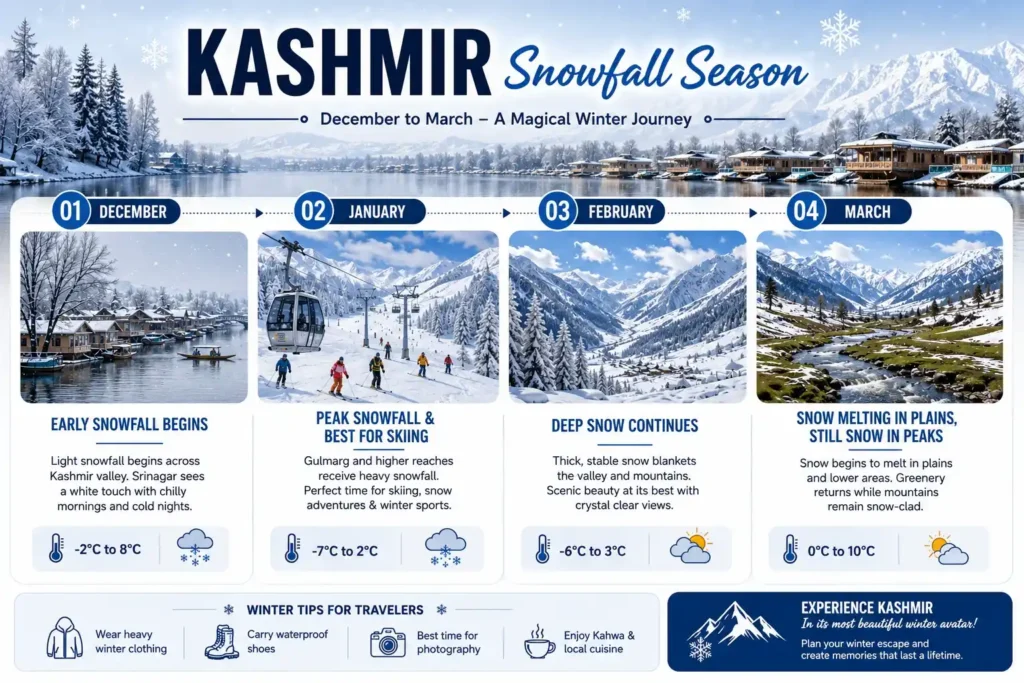
Month-by-Month Snowfall Forecast
| Month | Snowfall Probability | Best Destinations | Activity Highlights |
|---|---|---|---|
| December | 70% | Gulmarg, Sonamarg | Early snow, Christmas & New Year vibes. |
| January | 95% (Peak) | Entire Valley (Srinagar too) | Chillai Kalan (Heaviest snow), Skiing. |
| February | 80% | Gulmarg, Pahalgam | Thick snow base, better for photography. |
| March | 30% | Gulmarg Phase 2 | Spring snow, melting in the plains. |
December
December marks the official arrival of winter. If you visit early in the month you will find the higher reaches of Gulmarg and Sonmarg already dusted in white. As we approach Christmas and New Year, the snowfall often descends to lower altitudes, including Srinagar. Get more details about Kashmir in December
- What to expect: Festive vibes, fresh snow, and cold nights.
- Travel Tip: This is a popular time for tourists. reserve your cab and transfers in advance.
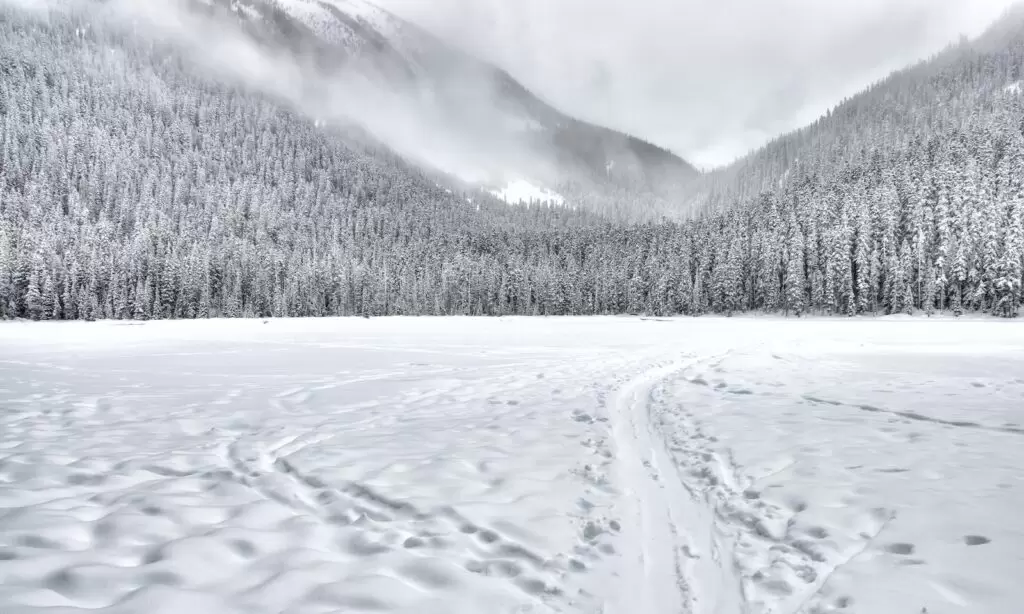
January: The Peak of "Chilai Kalan"
January is the peak month for snowfall in Kashmir making it the best time to experience heavy snow, with temperatures in Gulmarg often dropping to around −9°C. This period falls during the 40-day winter phase from December 21 to January 31, locally known as Chillai Kalan (the harshest 40 days of winter). If your goal is to witness heavy, thick snowfall, this is the month to visit. The entire valley, from the rooftops of Srinagar houseboats to the slopes of Gulmarg, is covered in a thick white blanket. Know more about How Kashmir looks in January
- Best For: Skiing, snowboarding and experiencing the freezing of the Dal Lake.
- Logistics: Heavy snow can sometimes affect road conditions. Our fleet consists of 4×4 vehicles and experienced drivers accustomed to navigating snowy terrain safely.
Chance of snowfall: Very high (90%)
February — Thick Snow, Clearer Skies
By February, the days become slightly longer but the snow remains thick. This creates perfect lighting for photography bright blue skies contrasting with the sparkling white snow. It is the ideal time to visit Pahalgam, where the frozen Lidder river offers a sight to behold. This is the peak skiing season with the Khelo India Winter Games sometimes held here. Less crowded on weekdays than January weekends. All major roads are accessible and snow activities are in full swing. For complete information about February check our Kashmir in February Guide.
The sunshine during the day makes it more comfortable to explore while still enjoying the winter charm. Tourists love this month because it combines pleasant weather with snowy landscapes.
Chance of snowfall: High (80%)
March to April: Spring Transitions & High-Altitude Snow
By March, the snow begins to melt in lower areas like Srinagar, but higher regions such as Gulmarg, Sonmarg and upper Pahalgam still remain covered in snow. This makes March a unique time to experience both snow at higher altitudes and the beginning of spring blossoms in the valley.
Snow at Gulmarg Phase 2, Sonmarg’s Zero Point and Sinthan Top can last well into April and even May.
Chance of snowfall: Low (30%) in March, rare in April
Can i find snow in April
Yes, you can still find snow in April mainly in higher-altitude areas like Gulmarg, Sonamarg, peer ki gali, Sinthan top and Apharwat Peak, while lower areas such as Srinagar usually have no snowfall and warmer weather. Gulmarg, Sonmarg, Pahalgam are places where you find snow in the month of April.
Can I Find Snow in May?
Yes, but only at high altitude Gulmarg’s Apharwat Peak (Phase 2), Sinthan Top and Sonmarg’s higher reaches such as Thajiwas Glacier. Most tourist areas are otherwise snow-free by this point.
Does Kashmir Have Snow in June?
By June, snow disappears from the plains and meadows entirely. To see it you will need to go to high passes or take the second phase of the Gulmarg cable car. Sinthan Top, Zojila Pass and Razdan Pass are your best bets.
Is There Any Snow in July?
July is peak summer and snow is limited to permanent glaciers and the highest points such as Zero Point (Zojila Pass), Sinthan Top, Thajiwas Glacier and Apharwat Peak may still show small patches.
Snow in August & September
No snowfall occurs in the valley or at most high altitude tourist areas during these months this is late summer into early autumn with green landscapes and mild weather.
Early Snow — Is There Snow in October?
Snow in October is uncommon but not impossible mainly toward the end of the month at higher elevations such as Gulmarg Phase 2 (Apharwat Peak), Aru Valley near Pahalgam and Sonmarg’s Zero Point occasionally get dusted especially during an active western disturbance. Srinagar and the lower valleys stay snow-free. Consistent snowfall doesn’t begin until December.
Will There Be Snow on Christmas in Kashmir?
Yes, there is a good chance of snow in Kashmir during Christmas. December marks the beginning of the snowfall season and you will find plenty of snow in the mountain resorts. While snowfall in Srinagar city can be hit-or-miss, you are almost guaranteed to see thick blankets of snow in Gulmarg, Sonamarg, Pahalgam and other higher-altitude areas.
In fact, Gulmarg and Sonamarg received around 6 inches of snowfall on 21 December 2025, making it an ideal time to enjoy a white Christmas in Gulmarg.
Top Destinations to Experience Snow in Kashmir
Kashmir offers far more than just Gulmarg. Here are the best destinations ranked by snow reliability and experience quality.
Gulmarg: The Winter Sports Capital
Gulmarg (8,530 ft) receives the most consistent and deepest snowfall in Kashmir. Average snow depth in peak winter is 2–3 feet often over 5 feet on the Apharwat mountain peak. The two‑phase Gondola takes you to 13,780 ft offering panoramic views of the snow clad Pir Panjal. Perfect for skiers, snowboarders and anyone wanting guaranteed heavy snow. Crowds are high on weekends so visit on a weekday for pristine slopes.
Snow in Gulmarg, Month by Month
Gulmarg typically gets its first proper snow in December with January and February delivering the heaviest accumulation. The Gulmarg ski resort is the main draw for winter sports and the Gulmarg Gondola runs throughout winter (occasional pauses during the heaviest storms). A helicopter ride over Gulmarg is also available for aerial views of the snow covered peaks.
Gulmarg Weather
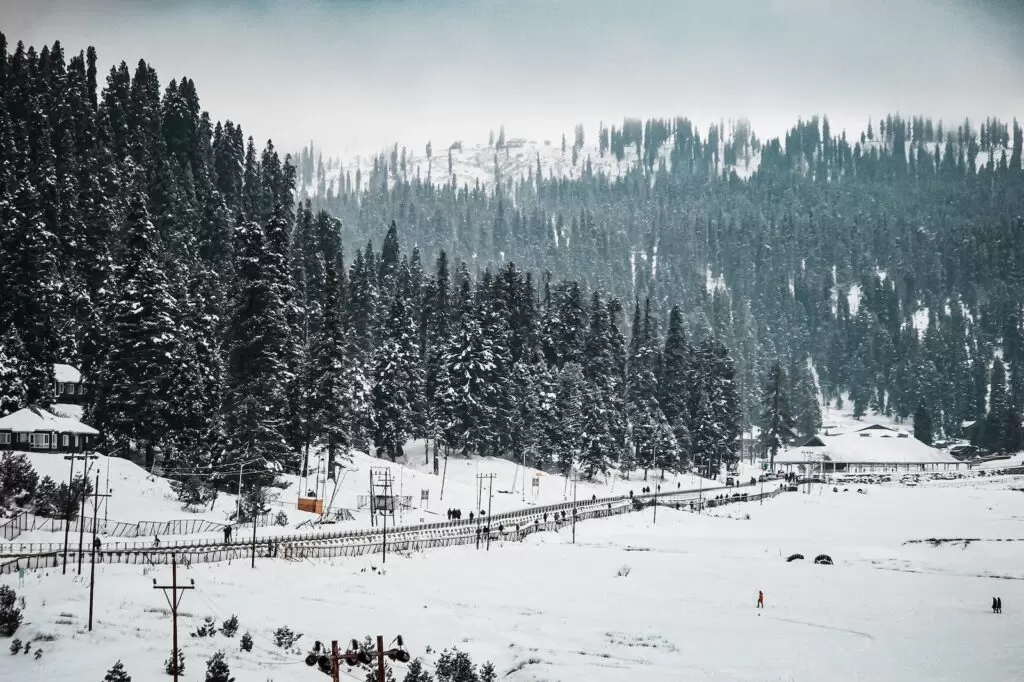
Sonmarg: The Meadow of Gold and Snow
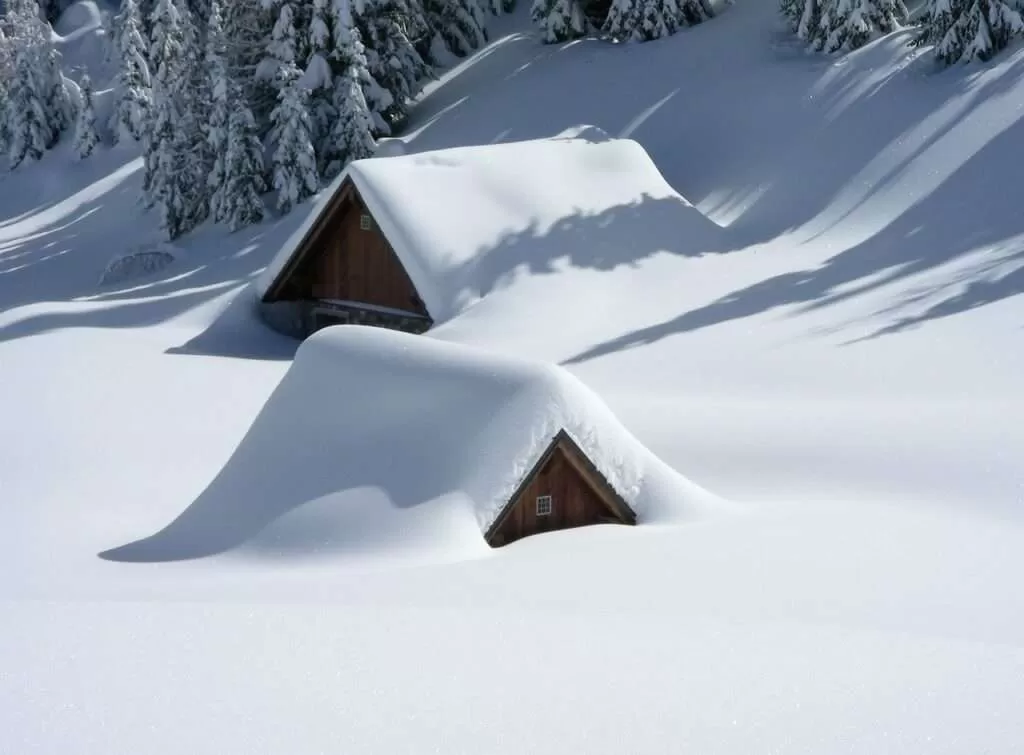
The lush green meadows of Sonmarg turn into a winter wonderland under snow though the area is often inaccessible during the deepest part of winter due to heavy snowfall. It’s best visited in early winter (November) or late winter (March/April) if you want both accessibility and snow. Zero Point is where you can still find snow sledging and snow biking as late as April or May. Always check the latest road status with the J&K Traffic Police before planning.
Sonmarg Weather
Pahalgam – Family‑Friendly Snow & Valley Views
Pahalgam (7,200 ft) gets lighter snow (1–1.5 feet) but compensates with easier accessibility and family friendly atmosphere. Areas like Aru Valley and Betaab Valley turn into gentle snowfields, perfect for sledging, snowman making and pony rides. Accommodations range from budget to luxury and the town remains well connected. Great for first time snow visitors with kids.
Chances of snow start from November with December and January are the most reliable months. Some upper areas of Pahalgam even hold snow into April.
Pahalgam Weather
Srinagar — Snowfall in the Summer Capital
Srinagar, the summer capital of Jammu & Kashmir becomes a different city under snow with the houseboats on Dal Lake look especially striking against a white backdrop. The lake can partially freeze during Chillai Kalan. To catch snowfall in Srinagar itself plan for December or January since the plains see snow later and less predictably than the mountains.
Srinagar Weather
Gurez Valley — Remote Snow Wonderland
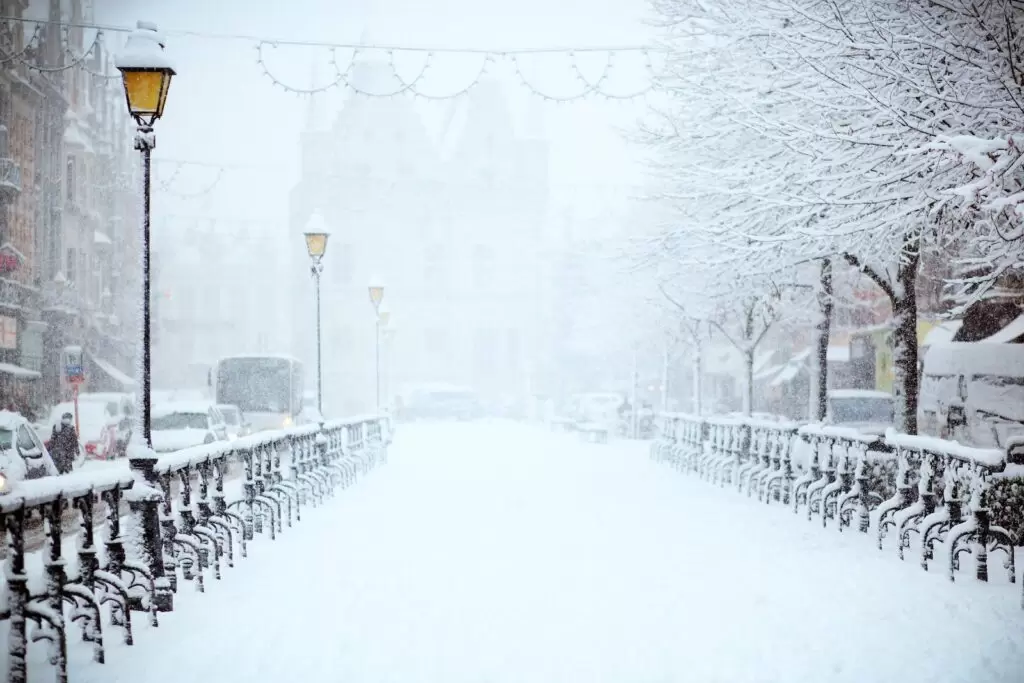
A remote valley near the Line of Control, Gurez turns into a stunning untouched white landscape in winter with the Habba Khatoon Peak as its centerpiece. Note that the Razdan Pass road can close during the heaviest snow always check conditions before planning a Gurez trip in peak winter. Check road status with us before you go.
Doodhpathri — Offbeat Snow Paradise
Known as the “Valley of Milk,” Doodhpathri is roughly 40km from Srinagar and offers vast snow covered meadows without Gulmarg’s crowds. Best time to visit December to March. It’s a good pick for bonfires, snow walks and sledding in a quieter environment. The road to doodhpathri is usually closed during heavy snowfall.
Yusmarg — Hidden Alpine Meadow
A peaceful alpine meadow that rarely makes it onto standard Kashmir itineraries, Yusmarg is ideal for travelers who want a snow trek or a quiet family picnic away from the crowds. Best time to visit ending January to February, when the meadow’s small lakes freeze and the surrounding pine forest is under fresh snow. Again depends on the road conditions.
Lolab Valley
Tucked away in the Kupwara district, Lolab Valley is one of Kashmir’s least visited snow destinations and one of its most photogenic, with panoramic valley views and a glimpse into traditional Kashmiri village life. Best time to visit is January to March. Read our Lolab valley travel guide for more details.
Sinthan Top & Peer Ki Gali
These high altitude mountain passes act as natural gateways to snow, even when the snow in valleys below have already started to melt. Sinthan Top (3,792 meters) accessible via Daksum often retains snow well into May making it a reliable option for late season snow lovers.
Similarly Peer Ki Gali (3,485 meters) located on the historic Mughal Road receives heavy snowfall and offers stunning panoramic views of the Pir Panjal range. Both destinations are excellent choices for travelers visiting in March or April who still want a strong chance of experiencing snow.
Book your Kashmir winter package with Travel My Kashmir Travel Agency today and enjoy the true magic of snowfall in Kashmir.
Top Winter Activities to Try in the Snow
Skiing & Snowboarding in Gulmarg
Gulmarg is Asia’s premier heli‑skiing destination. The ski season runs from late December to mid‑March. Beginners can hire gear and instructors at the Gulmarg Ski Shop near the Gondola base. Certified courses are available. Book equipment in advance during peak weeks. Check our Skiing in Gulmarg Guide.
Gondola Rides Over Snow-Covered Peaks
Even if you do not ski, the two-phase Gulmarg Gondola is unmissable. Phase 1 takes you to Kongdoori while as Phase 2 climbs to Apharwat, offering 360-degree views of the Himalayas blanketed in snow.
Snow Trekking, Sledging & Snowman Making
Pahalgam and Gulmarg offer organised snow‑trekking routes. Sledges can be hired on the spot (₹200–500 per ride). For snowman building, head to the meadows in Betaab Valley the slightly wet snow of February packs perfectly.
Shikara Rides on Dal Lake (Winter Edition)
When Dal Lake is not fully frozen, winter shikara rides offer a misty, peaceful experience unlike the busy summer months. Wrap yourself in a warm blanket and watch the snow fall over the Zabarwan range.
Temperature & Weather During Snowfall Season
Understanding the temperature in Kashmir during snowfall season is important for planning a comfortable winter trip. From December to February temperatures drop significantly across the valley, especially in higher altitude destinations like Gulmarg and Sonmarg.
Average Winter Temperature in Kashmir by Month
During peak winter temperatures in Srinagar typically range between 0°C to -5°C, while Gulmarg can drop further to -8°C or lower in January. December marks the beginning of snowfall with cold but manageable conditions while January is usually the coldest month with heavy snowfall and freezing temperatures. February continues to see snow although temperatures begin to stabilize slightly toward the end of the month. Always refer to the month-by-month snowfall and temperature table above for a detailed breakdown.
Wind Chill and Real Feel Temperature in Gulmarg
Wind chill plays a major role in how cold it actually feels in Kashmir especially in Gulmarg. When taking the Gondola ride to higher altitudes above 13,000 feet the temperature drops sharply due to strong winds. For example an actual temperature of -4°C in January can feel as low as -15°C because of wind chill. This makes proper winter gear essential, including windproof jackets, thermal layers, gloves and full face protection to stay comfortable in extreme conditions.
What to Pack for a Winter Trip to Kashmir
Layering is everything. Here’s your essential packing list:
- Thermal base layers (top & bottom)
- Fleece or down jacket (mid‑layer)
- Waterproof & windproof outer jacket and pants
- Snow boots with good grip (renting in Srinagar is possible but sizes may be limited)
- Wool socks, gloves, beanie, scarf
- Sunglasses (snow blindness is real) & high SPF sunscreen
- Lip balm & moisturiser (cold air is extremely drying)
- Power bank (phone batteries drain fast in cold)
- Reusable hand warmers
Where to Stay for the Best Snow Experience
Houseboats in Srinagar
Watching snow fall over Dal Lake from a heated houseboat is one of the most memorable ways to experience Kashmir’s winter. Book a houseboat in Dal Lake or explore quieter options on Nigeen Lake.
Hotels & Cottages in Gulmarg
For skiing convenience and proximity to the Gondola staying in Gulmarg is the most practical choice during peak snow season. Browse hotel options across Kashmir or talk to us for a Gulmarg-specific recommendation based on your dates and budget.
Kashmiri Winter Food to Warm Your Soul
Kashmiri cuisine is made for winter with rich and warming dishes that help you handle the cold. A must try is Harissa, a slow-cooked mutton dish served hot in the early mornings especially in Srinagar’s old city around Khanyar. Kahwa, a traditional green tea with saffron, almonds, and cinnamon is served everywhere but the best experience comes from small stalls near Dal Lake.
For main meals try Rogan Josh, Yakhni, Dum Aloo and Modur Pulav which showcase the depth of Kashmiri flavors. If you’re looking for reliable places to eat, Ahdoos Restaurant in Srinagar is known for authentic wazwan, local bakeries in Lal Chowk serve traditional winter breads like lavasa and kulcha and Gulmarg’s Highland Park offers warm dining with scenic snowy views.
Which is better – Gulmarg or Sonmarg for snow?
Gulmarg is better for snow in winter as it remains accessible and offers skiing, snowboarding, and the Gondola ride. Sonmarg usually stays closed from November to March due to heavy snowfall and reopens in spring.
The government is making efforts to keep Sonmarg open during winters as well.
Frequently Asked Questions
When does snowfall start in Kashmir?
Snowfall typically begins in late November at higher altitudes like Gulmarg and Sonamarg. The plains, including Srinagar usually see their first snow by mid-December. The season officially peaks during Chillai Kalan from December 21 to January 31.
Which month has the heaviest snowfall in Kashmir?
January receives the heaviest and most consistent snowfall. Gulmarg, Pahalgam and Sonamarg are fully snow covered and temperatures drop to their lowest points. This is the best month for skiing and deep snow photography.
Can I see snow in Kashmir in March or April?
Yes, While the lower valleys begin thawing in March, higher altitudes like Gulmarg (Phase 2), Sonamarg (Zero Point), Sinthan Top and Peer Ki Gali retain significant snow through April. By May, only the highest peaks remain snow-capped.
Is Gulmarg open in December and January?
Yes, Gulmarg is fully operational in December and January. The Gondola runs both phases, ski rentals are open and hotels remain accessible. In fact, this is Gulmarg’s busiest and most popular season.
Does it snow in Srinagar?
Srinagar does not receive heavy snow every year. When it does, it usually happens in January during Chillai Kalan. Even without snowfall in the city itself the surrounding Zabarwan mountains and Dal Lake offer stunning winter scenery.
Are roads open during snowfall in Kashmir?
Major roads to Gulmarg, Pahalgam and Sonamarg usually remain open throughout winter though temporary closures can occur after heavy snowfall. Remote passes like Razdan Pass (to Gurez) and Zoji La may close for days or weeks. Always check the latest road status before traveling.
What is Chillai Kalan?
Chillai Kalan is the 40-day period from December 21 to January 31 representing the harshest winter phase in Kashmir. It brings the heaviest snowfall, the coldest temperatures and the most dramatic winter landscapes.
Is Kashmir safe to visit during snowfall?
Yes, Kashmir is generally safe for tourists during winter. However, travelers should prepare for cold weather, possible road delays and limited daylight hours. Stick to established tourist routes, carry proper gear and monitor weather forecasts.
Can I visit Kashmir in February for snow?
Absolutely, February is excellent for snow travel. The snow cover remains thick, skies are often clearer than in January and roads are more reliably open. It is also less crowded than December and offering better value on hotels and transport.
What is the temperature in Gulmarg during snowfall?
During active snowfall, day temperatures hover between -2°C and 2°C. Night temperatures routinely drop to -8°C or lower with a wind chill that can feel -15°C.
Are there any winter festivals during snowfall?
Yes, the ‘Chillai Kalan’ cultural events, Christmas and New Year celebrations and the Khelo India Winter Games in Gulmarg sometimes occur in February/March.
Will there be snow on Christmas in Kashmir?
Yes, there is a very high chance of snow during Christmas week. You are practically guaranteed to see thick blankets of snow in Gulmarg, Sonamarg and Pahalgam during the holidays making it perfect for a white Christmas.
Can I find snow in Kashmir in May, June or July?
During the summer months snow completely disappears from the plains and lower valleys like Srinagar. To find snow between May and July, you must travel to high-altitude passes such as Gulmarg Phase 2 (Apharwat Peak), Sinthan Top or Zero Point at Zojila Pass, where permanent glaciers exist.
Is the Gulmarg Gondola open in winter?
Yes, the Gondola runs through winter and is one of the best ways to see snow covered peaks. Rides may pause temporarily during heavy snowfall or poor visibility.