
Lolab Valley, Kupwara
Lolab Valley is a scenic Himalayan sub-valley formed by the Lahwal River in Kupwara district of north Kashmir known for its apple and walnut orchards, rice fields, natural springs, pine-covered mountains and traditional villages. Located north of Srinagar beyond Kupwara town, the valley stretches for roughly 25 km and is one of Kashmir’s quieter destinations for travellers looking for green landscapes and rural village life.
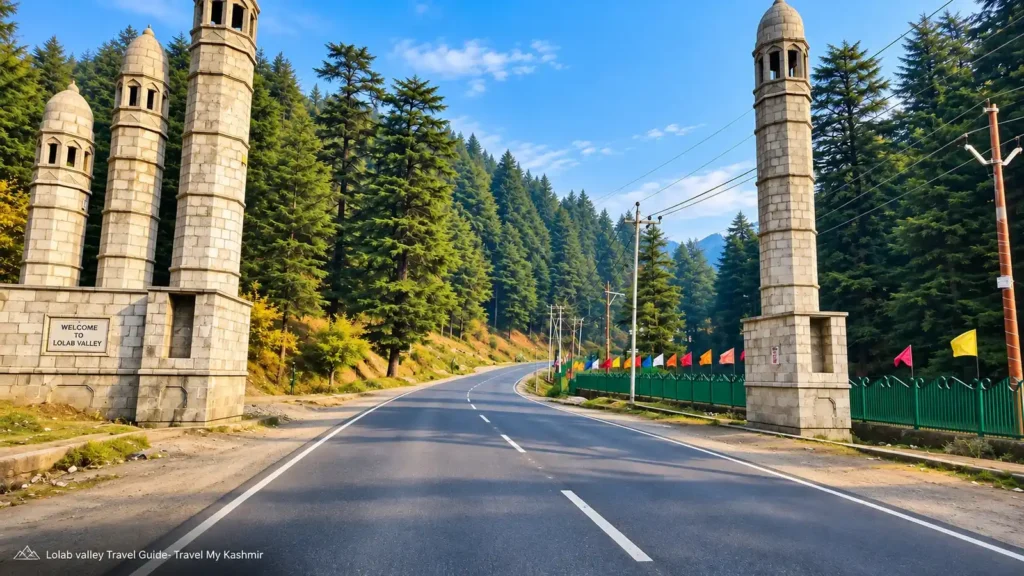
Known in Kashmiri as Wadi-e-Lolab, the valley has long been celebrated in Kashmiri poetry as a land of love and beauty. Unlike the stark, high-altitude scenery of Gurez, Lolab is softer and more agricultural with orchards, streams and settlements spread across a broad mountain basin. For visitors, its appeal lies less in a single landmark and more in experiencing a quieter, less-developed side of Kashmir.
Lolab Valley Overview
- Location: Kupwara district, North Kashmir
- Distance from Srinagar: ~114–115 km
- Driving time: ~4 hours
- Main access: Srinagar → Pattan → Sopore → Handwara → Kupwara → Lolab
- Known for: Orchards, rice fields, springs, villages, Kalaroos/Satbaran
- Best time: May–October
- Accommodation: Limited homestays, guesthouses and JKTDC accommodation
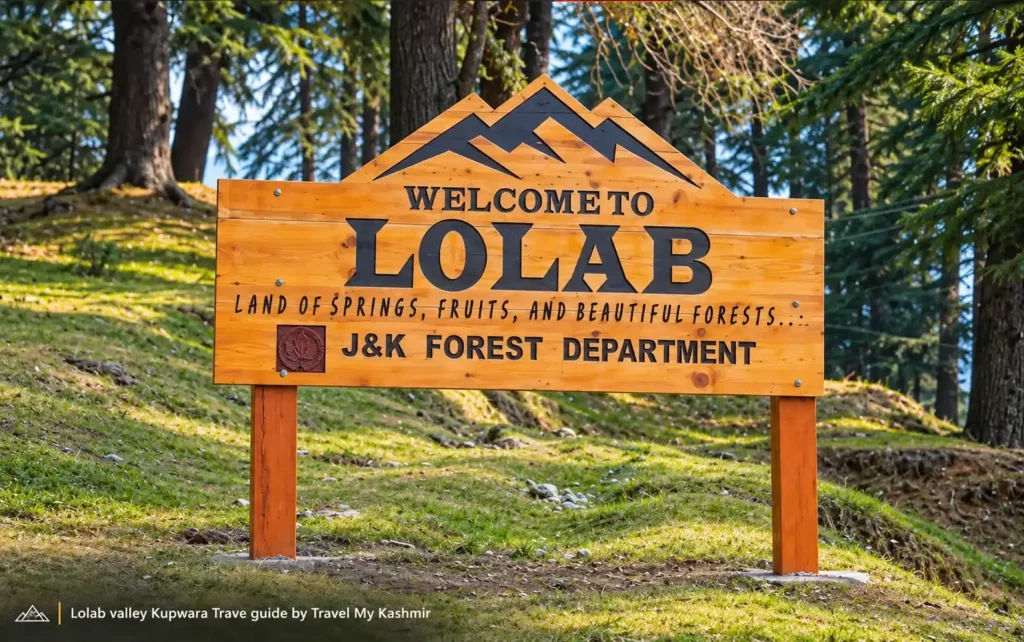
Best Travel Routes from Srinagar to Lolab Valley
The best route from Srinagar to Lolab Valley takes you through North Kashmir via Pattan, Sopore, Handwara and Kupwara before entering the valley. The total distance is approximately 114–115 km and the drive takes around 4 hours depending on traffic, road conditions and stops.
Srinagar → Pattan → Sopore: Leave Srinagar towards North Kashmir and continue through Pattan towards Sopore. This section follows the main highway and passes through the fertile countryside of the Kashmir Valley, including extensive agricultural and orchard areas.
Sopore → Handwara → Kupwara: From Sopore, continue towards Handwara and then Kupwara. Kupwara is the main town and transport hub before entering Lolab Valley. The road becomes more rural as you move farther north.
Kupwara → Lolab Valley: From Kupwara the road enters the Lolab Valley opening into a landscape of rice fields, apple and walnut orchards, villages and forested mountain slopes. The road continues towards places such as Lalpora, Sogam, Chandigam and Kalaroos, depending on your itinerary.
Route at a glance
Srinagar → Pattan → Sopore → Handwara → Kupwara → Lolab Valley
For sightseeing, avoid treating the journey as simply a transfer. Allow extra time for stops in the villages, orchards and scenic areas along the way.
Best Places to See and Things to Do in Lolab Valley
Lolab Valley is best explored as a slow road trip through its villages, orchards, springs and forested hills rather than as a single sightseeing point. Kalaroos, Satbaran, Lov-nag Spring, Lalpora and the valley’s orchard and village roads are among the places worth including in a Lolab itinerary.
Drive Through Lolab Valley
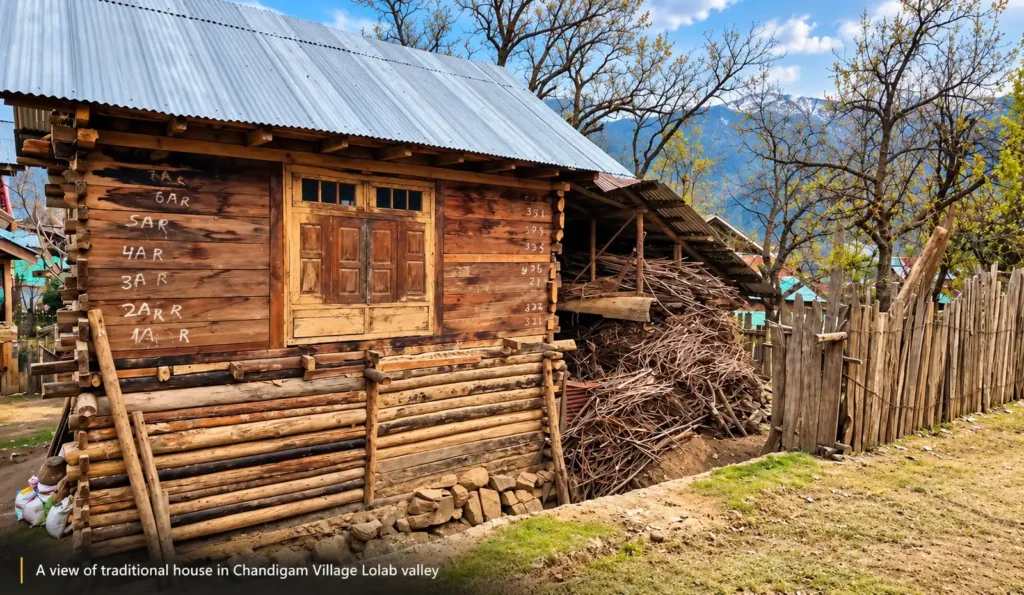
The road through Lolab passes rice fields, apple and walnut orchards traditional village houses and pine and deodar-covered hills. There is no single viewpoint that defines the valley the landscape and village life are the experience. The main access is through Kupwara with the valley extending for roughly 25 km.
Lov-nag Spring
Lov-nag (Lavnag) Spring in Anderbug village is one of Lolab’s recognised natural landmarks. The spring is associated with clear, spring-fed water and has been mentioned in historical accounts of the valley. The spelling varies between sources, so Lov-nag is the form used by the Kupwara district administration.
Kalaroos Caves and Satbaran
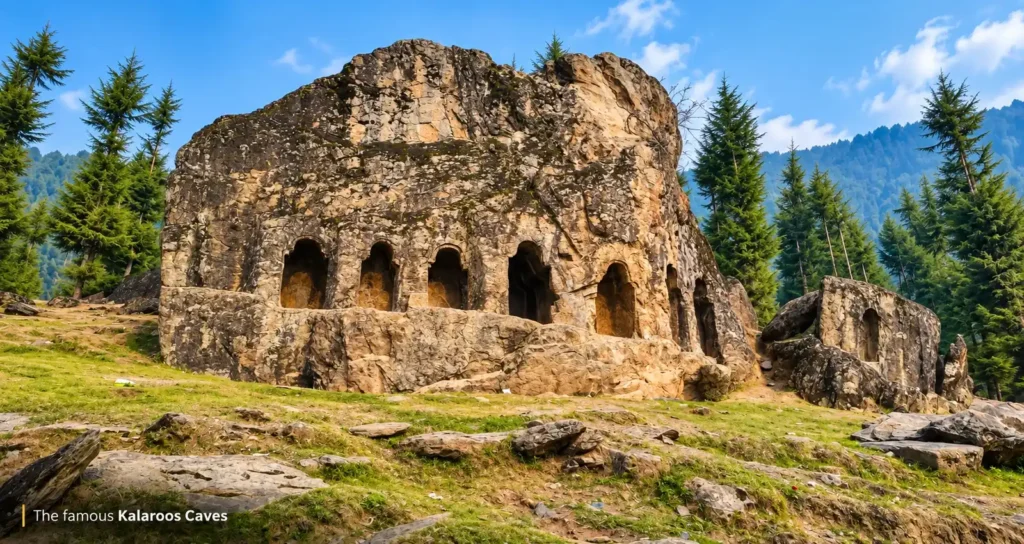
The Kalaroos Caves and nearby Satbaran rock are among Lolab’s most unusual attractions. Satbaran means “seven doors” and refers to the carved openings in the rock near the caves. Local legends claim that underground passages once connected the area with Russia or Central Asia, but there is no established historical evidence for that claim.
The caves are in the forested Kalaroos area, so conditions and access can vary. If you plan to explore beyond the main road, check locally before setting out and consider going with someone familiar with the area.
Orchards and Harvest Season
Lolab is known for its fruit-growing landscape, particularly apples and walnuts along with other orchard crops. September and October are especially atmospheric for seeing orchards and agricultural activity, although exact harvest timing varies with the crop and year.
If you are visiting in September you can combine Lolab with our guide to Kashmir in September.
Forest Walks, Meadows and Village Trails
Beyond the main roads, Lolab opens into forested hills, grazing areas and quieter village paths. These are better suited to short walks and locally guided excursions than an improvised trek. For less-used forest routes, ask a local driver or guide about current access and conditions before walking.
Check our best time to visit Kashmir Travel guide
Permits and Practicalities for Visiting Lolab Valley
Most visitors travelling to the main Lolab Valley do not need a special permit simply to enter the valley. However, Lolab is in Kupwara district and some routes and settlements closer to the Line of Control are subject to separate security and access requirements. If your itinerary goes beyond the established tourist areas toward border zones, check the current permission requirements before travelling. The Kupwara district administration operates an ePass system for visits to designated border areas and asks applicants to apply in advance with identification and address proof.
Carry a valid photo ID when travelling in the area as security checks can occur and access rules may change.
What is the Best time to visit Lolab valley
The best time to visit Lolab Valley is from May to October when the weather is generally pleasant and the valley is at its most scenic.
May–August: Lush green rice fields, flowering orchards, flowing streams and comfortable weather make this the best period for green landscapes and village sightseeing.
September–October: Cooler weather, ripening apples and walnuts, harvest activity and autumn colors make this an excellent time for photography and experiencing rural Kashmir.
November–March: Winter brings colder weather and possible snowfall while road and accommodation conditions can be more limited. Check local conditions before travelling.
Lolab vs Bangus vs Keran: Which Kupwara Valley to Visit?
Kupwara’s three offbeat destinations offer very different experiences. Lolab Valley is known for orchards, villages, springs and the Kalaroos caves. Bangus Valley is a remote high altitude meadow known for open landscapes and limited tourist infrastructure. Keran is a frontier village on the Kishanganga River known for its cross river views and proximity to the Line of Control.
If you have already explored Kashmir’s classic destinations, you can combine Lolab, Bangus and Keran into a 2–3 day Kupwara circuit subject to road conditions and access permissions. See our offbeat Kashmir tour packages.
Where to Stay in Lolab Valley
Accommodation in Lolab Valley is limited compared with Srinagar or Gulmarg, with options mainly consisting of local homestays, small private properties and government run tourist accommodation. The main areas to consider for an overnight stay include Chandigam, Lalpora and Cheepora.
Homestays in Lolab Valley
Staying in a local homestay is one of the best ways to experience Kashmiri village life, traditional hospitality and home cooked food. Options in and around the valley include Khan’s Homestay, Himalayan Homestay and Lolab Homestay / Adnan Rest House.
Availability can be limited, particularly during peak travel periods, so it is worth arranging accommodation before arriving in Lolab.
Check other JKTDC accommodation In Kashmir
Hotels and Private Accommodation
For travellers who prefer a more conventional hotel or guesthouse, Hotel Lolab Valley Kashmir is one of the private accommodation options in the area. Facilities and room availability can vary, so confirm the current amenities and rates before booking.
JKTDC Tourist Accommodation
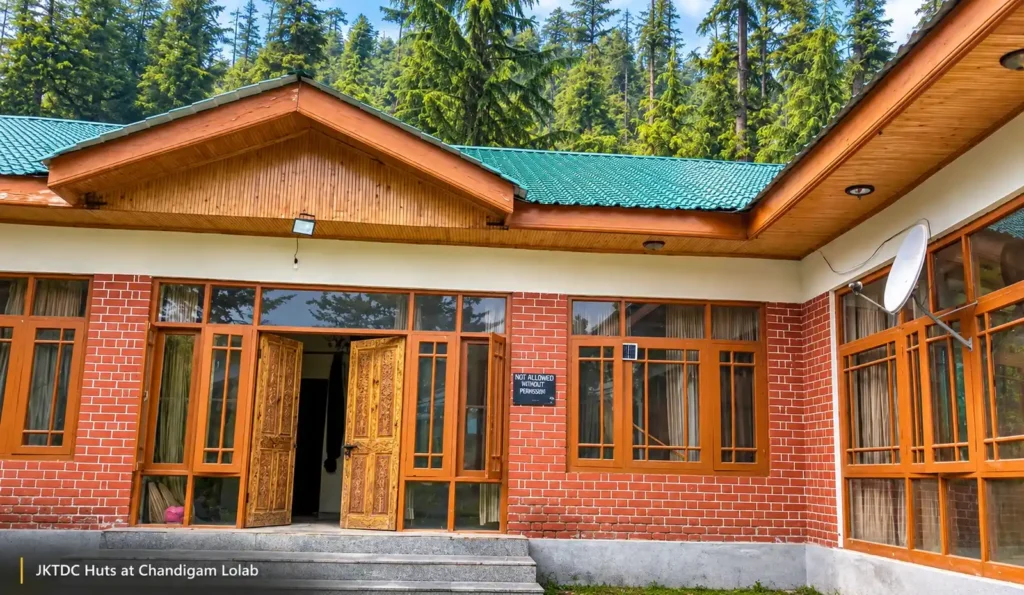
The Jammu and Kashmir Tourism Development Corporation (JKTDC) operates tourist accommodation in and around Lolab including tourist bungalows and hut style accommodation. These provide a quieter option for travellers who want to stay close to the valley’s forests and natural surroundings.
Because accommodation in Lolab is limited check current availability and rates directly with the property or JKTDC before travelling.
Practical Tips for Staying in Lolab Valley
Confirm Meals Before Booking: Restaurants are limited in the deeper parts of Lolab, so ask your homestay or hotel whether breakfast and dinner are available before confirming your stay.
Carry Some Cash: Card and digital payments may not always work reliably in remote areas. Keep enough cash for accommodation, meals, transport and small expenses.
Confirm Availability in Advance: Accommodation is limited, particularly outside Kupwara town. Call ahead to confirm room availability, meals, heating and current rates before travelling.
Do Not Expect Resort-Style Facilities: Lolab is an offbeat destination, so accommodation is generally simpler than what you will find in Srinagar or Gulmarg. The advantage is a quieter stay and closer contact with local village life.
Is Lolab Valley Safe to Visit?
Lolab Valley is generally suitable for tourists visiting the established valley areas, but travellers should follow local security instructions and check current access conditions before travelling. Kupwara is a border district and some areas closer to the Line of Control have separate access and permission requirements.
For a normal Lolab sightseeing trip, carry a valid photo ID and follow directions at any security checkpoints. Do not enter restricted roads or border areas without the required permission. Conditions and access rules can change, so confirm the situation locally before heading into less-visited areas.
Also check our complete guide on is Kashmir is safe to visit.
Our Local Experience
From our experience arranging travel in Kashmir, Lolab is best approached as a rural valley trip rather than a conventional tourist circuit. The main valley is quieter and less commercial than Srinagar, Gulmarg or Pahalgam and having a local driver is useful for navigating village roads, identifying suitable stops and checking current access conditions.
If your itinerary includes Kalaroos, remote forest areas or routes closer to the border we recommend checking access locally before setting out rather than relying solely on older online information.
Frequently Asked Questions About Lolab Valley
What is Lolab Valley famous for?
Lolab Valley is known for its apple and walnut orchards, rice fields, natural springs, traditional villages, forested mountains and the Kalaroos caves and Satbaran rock formations. It is also known for its quieter, rural character compared with Kashmir’s major tourist destinations.
How far is Lolab Valley from Srinagar?
Lolab Valley is approximately 114–115 km from Srinagar. The drive takes around 4 hours, depending on traffic, road conditions and stops.
How do you reach Lolab Valley from Srinagar?
The standard driving route is Srinagar → Pattan → Sopore → Handwara → Kupwara → Lolab Valley. Kupwara is the main access point before entering the valley.
What is the best time to visit Lolab Valley?
The best time to visit Lolab Valley is May to October. May to August offers lush green landscapes and flowing streams, while September and October are particularly good for seeing orchards, harvest activity and autumn colors.
Is Lolab Valley safe for tourists?
The established tourist areas of Lolab are generally accessible to visitors, but Kupwara is a border district and access restrictions can apply in areas near the Line of Control. Carry photo ID, follow local security instructions and check current access requirements before travelling to remote or border areas.
Do you need a permit to visit Lolab Valley?
A special permit is not generally required for ordinary sightseeing in the main Lolab Valley, but designated border areas can have separate permission requirements. Check the current rules if your itinerary goes towards restricted or border areas.
Can you stay overnight in Lolab Valley?
Yes, Accommodation is limited but includes local homestays, small guesthouses, private accommodation and JKTDC tourist accommodation in and around the valley. Confirm availability, meals and current rates before travelling.
How many days do you need for Lolab Valley?
A day trip from Srinagar is possible, but one night and two days allows more time to explore the villages, orchards and Kalaroos area without rushing. Lolab can also be combined with Bangus or Keran as part of a 2–3 day Kupwara itinerary, subject to current road and access conditions.
Travel My Kashmir runs Daksum and Sinthan Top trips, with fishing permits arranged on request. J&K Tourism-registered, since 2000. Call +91-9796466052.