
Differences and Similarities Between Kashmir and Kerala Houseboats
While planning your vacation and instead of booking regular hotels, why not try something new and unique? Staying in a houseboat is one of the best options. In India, there are only two states/UTs where you can experience houseboats one is Kerala, and the other is Kashmir. However, there is a major difference between these two types of houseboats. Let’s explore the main differences to help you decide which one to choose.
This guide takes a closer look at the differences and similarities between houseboats in Kashmir and Kerala. It explains how these houseboats are built, how their designs differ, and what kind of amenities, comfort, and hospitality experience travelers can expect in each destination.
Let’s explore the key similarities and major differences between Kerala and Kashmir houseboats to help you decide which experience suits your travel style better.
The main difference between houseboats in Kerala and Kashmir lies in their purpose, design, and location. Kerala houseboats, or “Kettuvallams,” are primarily used for tourism on backwaters and feature thatched roofs. In contrast, Kashmir houseboats are stationary, made of wood, and serve as luxurious floating homes on Dal Lake or Nigeen Lake. Let’s explore in detail what sets these floating accommodations apart.
A Brief History: How Each Houseboat Tradition Began
Kashmir’s houseboats date back to the late 19th century. Because the Maharaja of Jammu and Kashmir restricted British officers from owning land in the valley, British residents began living in elaborate wooden houseboats on Dal Lake and other waterways. Over time, these floating homes developed into the distinctive houseboats Kashmir is known for today. Want to know more about the Kashmir houseboats history check our History of Houseboats in Kashmir guide.
Kerala’s houseboats have a different history. Traditional kettuvallams were originally cargo boats used to transport rice and other goods through the backwaters. As road transport reduced the importance of these waterways for commercial trade many boats were adapted for tourism and converted into comfortable floating accommodation.
This difference in origin is still reflected in their character: Kashmir houseboats resemble ornate wooden homes inspired by the region’s colonial-era architecture, while Kerala houseboats retain the shape and character of traditional working boats.
Houseboat of Kashmir vs Houseboats of Kerala
Kerala houseboats, known as kettuvallams are traditional, eco-friendly boats designed for slow cruising through the backwaters. They offer a nature focused experience, allowing travelers to glide through lush landscapes, observe local life and enjoy basic to luxurious amenities in a simple and traditional setting.
In contrast, Kashmir houseboats are stationary, lavish floating homes on lakes such as Dal Lake and Nigeen Lake. Built from fine deodar and walnut wood with intricate carvings, these houseboats feature luxurious interiors, including chandeliers, Persian rugs and comfortable accommodations. The focus is on providing a regal, heritage rich stay with stunning scenic views from a fixed location, rather than a cruising experience.
Book your online cab service in Srinagar with just a few simple steps. Reserve your cab in Kashmir here
Table of Contents
ToggleThese floating heavens offer an unforgettable accommodation experience in Srinagar Kashmir. Book Houseboat in Srinagar here.
Explore the breathtaking beauty of Kashmir at your own pace with the freedom of self-drive. Book self drive car in Srinagar.
A shikara ride on Dal Lake in Srinagar is a must-have experience for any visitor to Kashmir. Book your shikara ride here
If you’re planning a trip to the valley, explore these Kashmir tour packages that include curated itineraries, comfortable stays, and local sightseeing, making travel in Kashmir easy and well-organized.
Houseboats in Kerala
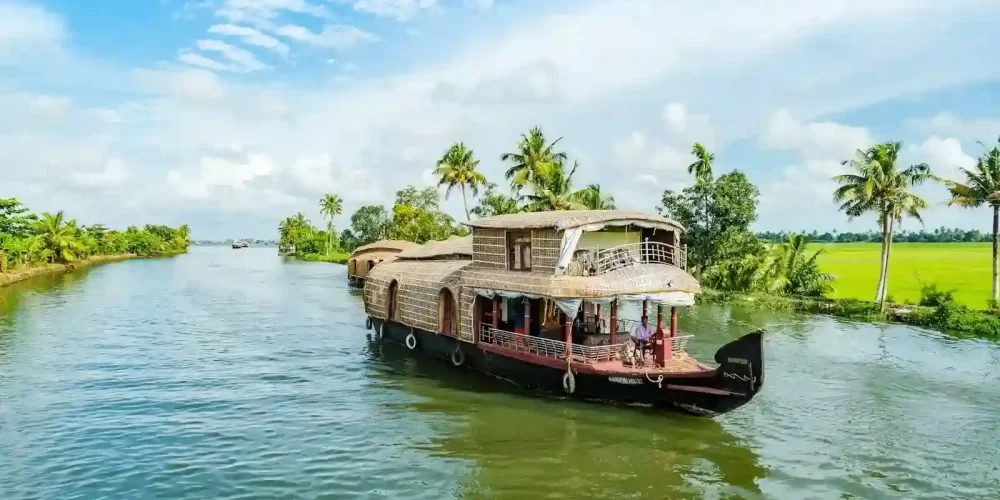
Houseboats in Kerala, known as Kettuvallams, cruise along the serene backwaters, offering picturesque views of lush greenery, coconut groves, and tranquil waters. As these houseboats float, they also provide stay options with world-class facilities.
These Kerala houseboats were once used to transport goods and spices across the backwaters of Kerala. But today, these kettuvallams have been converted into luxury accommodations, where you can enjoy quality time amidst Alleppey’s enchanting backwaters.
In Kerala houseboats, you will have the options from budget friendly to luxury options like houseboats with single rooms, double rooms, and triple rooms with private balconies. For a luxurious experience, every room in a Kerala houseboat has attached bathrooms with all the facilities such as flush toilets, showers, and washbasins.
You can enjoy both vegetarian and non-vegetarian food on a Kerala houseboat. The food is usually served on a banana leaf, and traditionally, you eat with your hands.
Kerala’s houseboat tours cover routes through Alleppey, Kumarakom, Kollam, and other scenic locations. Additionally, resorts offer guided canoe trips through secluded inland waterways that can’t be reached by road.
Houseboats in Kashmir
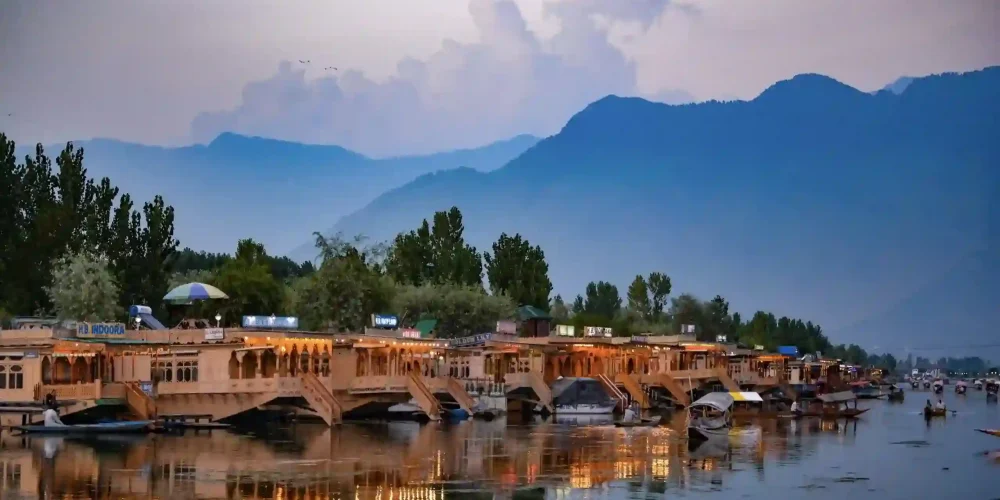
Kashmiri houseboats are often made from cedar wood and feature intricate wood carvings. The houseboats in Kashmir are found in lakes like Dal Lake and Nigeen Lake in Srinagar. However, the most famous are the Dal Lake houseboats. These houseboats are more luxurious than the Kerala Houseboats.
Typically, the houseboats in Kashmir have options of 3-4 rooms with attached bathrooms and a dining area. You will also have a sun deck where you can enjoy the serene beauty of Dal Lake and the surrounding area. With round-the-clock electricity, you will also enjoy food cooked by the owner or caretaker of the houseboat. Here you can book Houseboat in Srinagar online.
Location and Environment
Kerala Houseboats
Location: Kerala houseboats, known as “Kettuvallams,” float on the serene backwaters of Alleppey, Kumarakom, and Kollam.
Scenery: Surrounded by lush tropical vegetation and coconut groves
Kashmiri Houseboats
Location: Located on Dal Lake and Nigeen Lake in Srinagar, Stationary boats moored to the shore.
Scenery: Surrounded by the majestic Himalayas, these houseboats offer breathtaking views of snow-capped mountains and blooming gardens.
Design and Architecture
Kerala Houseboats
- Materials: Constructed primarily from bamboo, coir, and wood, these houseboats showcase traditional craftsmanship.
- Structure: Kerala houseboats often feature thatched roofs and open-air decks, creating a rustic and cozy atmosphere.
Kashmir Houseboats
- Materials: Made from high-quality wood, Kashmir houseboats exhibit intricate carvings and ornate designs.
- Structure: These houseboats resemble floating wooden cottages with luxurious interiors, including carved furniture and rich carpets.
Cultural Experience
Kerala Houseboats
- Cuisine: Relish traditional Kerala dishes, including fresh seafood, coconut-infused curries, and appams.
- Activities: Witness local life along the backwaters, enjoy cultural performances, and visit nearby villages.
Kashmiri Houseboats
- Cuisine: Savor Kashmiri delicacies such as Rogan Josh, Yakhni, and Kahwa (traditional tea).
- Activities: Explore the rich Kashmiri culture, visit historic sites, and shop for handicrafts and Pashmina shawls.
Best Time to Visit
Kerala Houseboats
- Season: The best time to enjoy Kerala houseboats is from October to March when the weather is pleasant and the monsoon season has ended.
Kashmiri Houseboats
- Season: The ideal time to visit Kashmir houseboats is from April to October, avoiding the harsh winter months.
Key Differences Between Kerala and Kashmir Houseboats
| Aspect | Kerala Houseboats | Kashmir Houseboats |
|---|---|---|
| Location | Backwaters of Alleppey, Kumarakom, Kollam | Dal Lake and Nigeen Lake in Srinagar |
| Scenery | Lush green landscapes, coconut groves, tranquil waters | Majestic Himalayan views, snow-capped mountains, blooming gardens |
| Materials | Bamboo, coir, and wood; traditional craftsmanship | High-quality wood, intricate carvings, ornate designs |
| Structure | Thatched roofs, open-air decks, rustic atmosphere | Floating wooden cottages, luxurious interiors, carved furniture |
| Facilities | Comfortable bedrooms, attached bathrooms, dining area, deck | Well-appointed bedrooms, modern bathrooms, sitting room, sundeck |
| Experience | Relaxing cruise, fishing, observing local life | Luxurious retreat, shikara rides, visiting floating markets |
| Cuisine | Traditional Kerala dishes, seafood, coconut curries | Kashmiri delicacies, Rogan Josh, Yakhni, Kahwa (tea) |
| Activities | Local village visits, cultural performances | Exploring historic sites, shopping for handicrafts and Pashmina shawls |
| Best Time to Visit | October to March for pleasant weather | April to October to avoid harsh winter months |
Cost Comparison: Kerala vs Kashmir Houseboats
Pricing structures differ as much as the boats themselves. Kerala houseboats are usually booked per cruise (a few hours, a full day or overnight) with rates depending on room count and AC availability budget options are cheaper than a Kashmir stay, while premium multi-bedroom Kerala houseboats can cost as much as a luxury hotel.
Kashmir houseboats are priced per night similar to a hotel room and rates vary by lake (Dal Lake houseboats are typically pricier than those on the quieter Nigeen Lake) and by season with peak summer months commanding higher rates than shoulder season. If budget is a deciding factor, request a quote for both before comparing since seasonal pricing shifts the comparison significantly.
For more details about pricing check our Houseboat in Srinagar Pricing guide
Similarities Between Kerala and Kashmir Houseboats
Houseboats in Kerala and Kashmir share several core similarities, even though the experiences they offer are quite distinct. In both destinations, houseboats serve as floating accommodations that allow travelers to stay directly on the water, whether cruising through Kerala’s backwaters or staying anchored on Dal Lake or Nigeen Lake in Kashmir.
Another major similarity lies in their traditional craftsmanship. Both Kerala and Kashmiri houseboats are built using region-specific natural materials and reflect local architectural styles that have evolved over generations.
Traditional Design and Construction
Kerala houseboats, locally known as kettuvallams are traditionally constructed using jackfruit tree wood for the framework along with bamboo, coconut fibre and coir. These materials help regulate temperature naturally and suit the tropical climate of the backwaters.
Kashmir houseboats, called Naav in the local language, are built primarily from deodar (cedar) wood. Their interiors feature hand-carved walnut wood furniture, detailed wooden paneling and ornamental ceilings. The intricate woodwork reflects Kashmir’s royal heritage and traditional craftsmanship.
Comfort, Amenities and Safety
Kerala houseboats focus on simplicity, comfort and close interaction with nature. They operate under strict safety standards and are regularly inspected. Common amenities include:
- Air conditioning (usually at night)
- Attached bathrooms
- Television and Wi-Fi (limited connectivity)
- Functional kitchen
- Single, double, or triple bedrooms
- Private balconies and sun decks
- Large windows facing the backwaters
- Life jackets, fire extinguishers, and trained onboard staff
Kashmir Houseboats
Kashmir houseboats emphasize warmth, elegance and premium interiors. Many luxury houseboats, especially on Nigeen Lake, offer a high-end, hotel-like experience. Typical amenities include:
- 2 to 6 bedrooms with attached bathrooms
- Living and dining areas
- Panoramic front balconies and sun decks
- Television and Wi-Fi
- Heating and air conditioning
- Continuous electricity and clean water supply
- Pantry or small kitchen
- Dedicated caretakers and cooks
- High standards of cleanliness and security
Tourism Experience and Activities
Kerala Houseboat Experience
Kerala houseboat stays usually involve slow cruising through interconnected backwaters for durations ranging from day trips to multi-day journeys. The experience includes passing through villages, coconut groves, paddy fields and canals. Boats often stop near local attractions, temples and village areas. Guided experiences may include visits to coir-making units, local markets and cultural sites.
Kashmir Houseboat Experience
Cuisine and Onboard Dining
Both Kerala and Kashmir houseboats offer freshly prepared onboard meals, reflecting the culinary traditions of their regions.
Kerala Houseboat Cuisine
Kerala houseboat meals are predominantly coastal and feature rice-based dishes, seafood and coconut-infused curries. Meals are often served on banana leaves. Popular dishes include pearl spot fish, appam, vegetable stews and coconut-based curries. Both vegetarian and non-vegetarian options are available.
Kashmir Houseboat Cuisine
Kashmir houseboats serve aromatic North Indian and traditional Kashmiri dishes prepared with spices such as saffron, cardamom, and cockscomb flower. Signature non-vegetarian dishes include Rogan Josh, Yakhni and Wazwan-style meals. Vegetarian offerings commonly include Dum Aloo, Rajma Chawal, Nadru Yakhni (lotus stem), Kashmiri Pulao and traditional breads served with kahwa.
How to Book: Kerala vs Kashmir Houseboats
Booking a Kerala houseboat typically means choosing a package through a backwater tour operator in Alleppey or Kumarakom, selecting your cruise duration and room count in advance. Booking a Kashmir houseboat usually means reserving directly through a local Srinagar operator or travel agency, specifying your lake preference (Dal or Nigeen) and number of nights.
In both cases book in advance during peak season with Kerala’s busiest months are October to March and Kashmir’s are April to October. Book your Kashmir houseboat here.
Deciding where to go
There is a major difference between these two types of houseboats, so first, consider the kind of experience you want before choosing between Kashmir houseboats and Kerala houseboats. Either way, you’re guaranteed to have a unique experience on both.
While both Kerala and Kashmir offer unique houseboat experiences, they differ significantly in terms of environment, design, and cultural context. Kerala’s houseboats provide a journey through tropical backwaters, while Kashmir’s offer a stationary retreat on picturesque lakes.
Frequently Asked Questions
Which houseboat is better, Kerala or Kashmir?
Neither is objectively better, it depends on the experience you want. Choose Kerala for a cruising trip through tropical backwaters with village life and food on the way. Choose Kashmir for a stationary, luxury stay with Himalayan views and Kashmiri hospitality.
Can you cruise on a Kashmir houseboat like in Kerala?
No, Kashmir houseboats are moored permanently on Dal Lake or Nigeen Lake and function like floating hotels. Movement between spots is done separately via a shikara not the houseboat itself.
Which is more expensive, a Kerala or Kashmir houseboat?
Kerala houseboats are typically priced per package/cruise duration (day trip or overnight), while Kashmir houseboats are priced per night like a hotel room. Luxury options in both destinations can run similarly high but budget Kerala houseboats tend to be cheaper for short cruises.
What is the local name for a houseboat in each state?
In Kerala it’s called a “Kettuvallam.” In Kashmir, it’s locally referred to as a “Bahat” or simply a houseboat (not “Shikara” a shikara is the small paddled boat used to ferry guests to and from the houseboat).
How many days should I plan for a houseboat stay?
Kerala houseboat trips are usually a single day or overnight cruise. Kashmir houseboat stays are typically 1–3 nights as part of a longer Srinagar itinerary.
Can vegetarians eat comfortably on both types of houseboats?
Yes, Kerala houseboats offer vegetarian coconut based curries and rice dishes while Kashmir houseboats offer vegetarian options like Dum Aloo, Rajma Chawal and Nadru Yakhni alongside their non-vegetarian Wazwan dishes.
Do Kerala houseboats move while Kashmir houseboats stay in one place?
Yes, Kerala Kettuvallams actively cruise through the backwater canals during the day and anchor at night. In contrast, Kashmir houseboats are securely moored to the banks of Dal Lake or Nigeen Lake and remain fully stationary functioning as floating luxury hotels. You explore the surrounding lake using smaller Shikara boats.
Are houseboats in Kashmir and Kerala safe for families and children?
Both are highly regulated for safety, but they offer different environments. Kerala houseboats have guardrails and crew on board while moving. Kashmir houseboats are stationary and securely anchored making them very stable, though parents should always monitor children on the outdoor viewing decks.
How does the food differ on Kerala vs. Kashmir houseboats?
Kerala houseboats focus on coastal South Indian cuisine, serving dishes like coconut-infused curries, fresh backwater seafood (like Pearl Spot fish) and rice on banana leaves. Kashmir houseboats serve aromatic North Indian and traditional Kashmiri cuisine, including Wazwan specialties, Rogan Josh and traditional Kahwa tea.